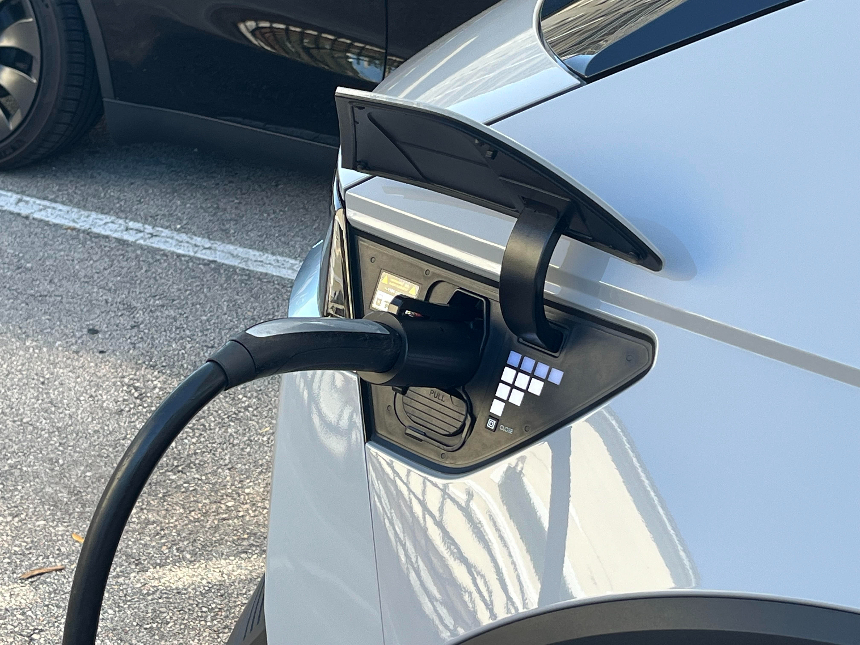
Kentucky has expanded its electric vehicle charging infrastructure with eight new fast-charging stations now operational across the state. The Team Kentucky EV Charging program, which announced its tenth fast-charging site just one month prior, has now deployed two additional stations in Elizabethtown and Shepherdsville. Each station provides four charging ports.
The expansion reflects Kentucky's effort to build out charging infrastructure needed to support EV adoption in a state historically dependent on fossil fuel industries. Fast-charging stations reduce charging time significantly compared to Level 2 chargers, allowing drivers to add substantial range in 20 to 45 minutes. This infrastructure gap has been identified as a barrier to EV adoption, particularly in rural and mid-sized communities.
The two new sites place chargers in communities between Louisville and Bowling Green, addressing a corridor where charging options were limited. Elizabethtown, home to Fort Knox military installation, serves as a regional hub. Shepherdsville lies roughly 25 miles south of Louisville along Interstate 65.
Kentucky's program builds on federal funding mechanisms. The Infrastructure Investment and Jobs Act allocated $7.5 billion nationally for EV charging networks, with states receiving formula-based grants and competitive awards. Kentucky accessed these resources to develop its statewide charging strategy.
The state's broader EV infrastructure goals remain modest compared to national leaders like California and Texas, but the pace of deployment suggests momentum. With twelve confirmed fast-charging sites now in operation or completed, Kentucky demonstrates commitment to electrification despite the state's entrenched coal and oil sectors.
The stations serve multiple purposes. They support personal EV ownership, enable commercial fleet electrification, and signal state-level commitment to transportation decarbonization. For consumers, the availability of fast chargers reduces "range anxiety," a documented factor discouraging EV purchases in regions with sparse charging networks.
These deployments occur as E