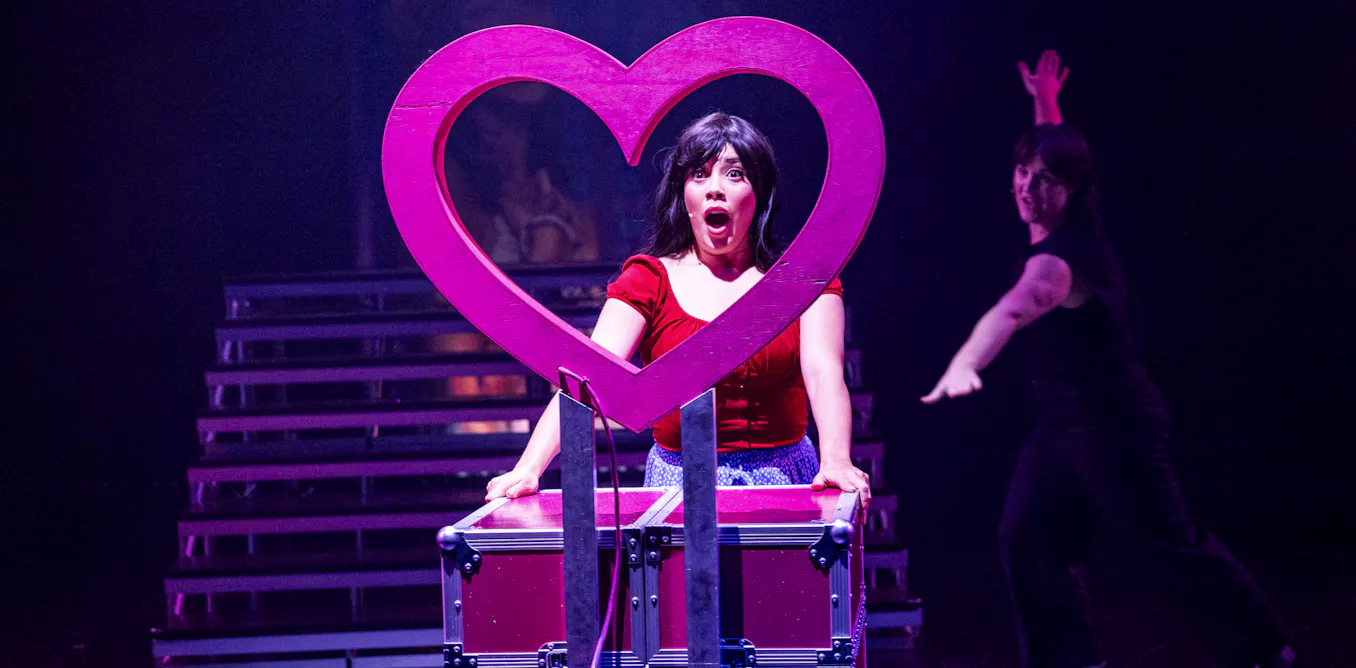
# Shakespeare's Macbeth Reimagined as Child Star Comedy
A theatrical adaptation transforms William Shakespeare's "Macbeth" by casting the protagonist as a 13-year-old child star navigating the entertainment industry rather than medieval Scotland. The production mines the play's core themes of ambition, corruption, and moral decay while transplanting them into the world of stage mothers, celebrity culture, and showbiz excess.
The adaptation preserves the psychological deterioration central to Shakespeare's tragedy. As the young Macbeth character pursues stardom and fame, the familiar descent into paranoia and violence unfolds through a contemporary lens. The witches become industry insiders or manipulative handlers. Lady Macbeth transforms into a stage mother pushing her child toward increasingly unethical choices. The blood-soaked battlefield becomes boardroom backstabbing and ruthless competition for roles.
This creative framework allows the production to explore how the play's exploration of unchecked ambition operates in modern systems. The stakes shift from power and kingdoms to entertainment contracts, social media followings, and industry connections. Child labor practices, parental exploitation in entertainment, and the psychological toll of fame on young performers become the tragedy's contemporary setting.
The production balances dark themes with absurdist humor. The contrast between Shakespeare's iambic pentameter and the incongruity of child star culture generates comedic tension. Stage mothers, dressing room drama, and the performative nature of celebrity provide comedic relief while maintaining emotional authenticity about the play's deeper concerns.
The adaptation demonstrates how Shakespeare's fundamental insights about human nature, ambition, and moral compromise transcend historical periods. By placing these eternal themes in a setting familiar to modern audiences, the production makes the play's warnings about corrupting power structures and personal ethics immediately relevant. The riotous tone balances pathos with humor, allowing both the tragedy and absurdity