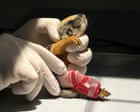
Wildlife photographers captured animal moments from across the globe this week, documenting both human intervention and predator behavior in natural ecosystems.
A squirrel received veterinary care with a splint, illustrating how rehabilitation centers treat injured wildlife. The injury and treatment reflect broader patterns of human-wildlife interaction in urban and periurban landscapes, where animals face collision risks and other trauma from development.
Hyenas appeared in their natural hunting state, displaying predatory behavior that shapes prey populations across African savanna ecosystems. These carnivores maintain ecological balance by controlling herbivore numbers, though their presence sometimes conflicts with livestock operations in regions where conservation areas border farming communities.
A great white shark rounded out the week's wildlife documentation. The apex predator commands attention both for its role in ocean food webs and for its conservation status. Several great white populations have shown recovery in recent decades following protections implemented under the U.S. Endangered Species Act and international agreements, though some regional populations remain threatened by overfishing and bycatch.
These photographs represent the type of wildlife monitoring and documentation that helps scientists track animal populations and behavior patterns. Visual records from photographers across continents contribute to broader datasets on species distribution, health indicators, and human-wildlife interactions. Such imagery also shapes public perception of wildlife and influences conservation funding priorities.
The collection demonstrates the diversity of animal life still thriving globally, from small mammals navigating human spaces to apex predators sustaining themselves in increasingly pressured ocean environments. Weekly wildlife galleries from major outlets serve as regular reminders of the animal kingdom's persistence and the varied contexts in which modern wildlife exists.