# UK Under-16 Social Media Ban: What Parents Need to Know
The UK government has moved toward legislation restricting social media access for children under 16, shifting responsibility onto platforms while placing parents at the center of enforcement.
The proposed ban requires social media companies to verify user age before account creation. Platforms face legal liability if they fail to implement robust age verification systems. This places the burden squarely on tech companies to develop technology capable of confirming a user's identity without collecting excessive personal data, a technical and privacy challenge that remains unsolved at scale.
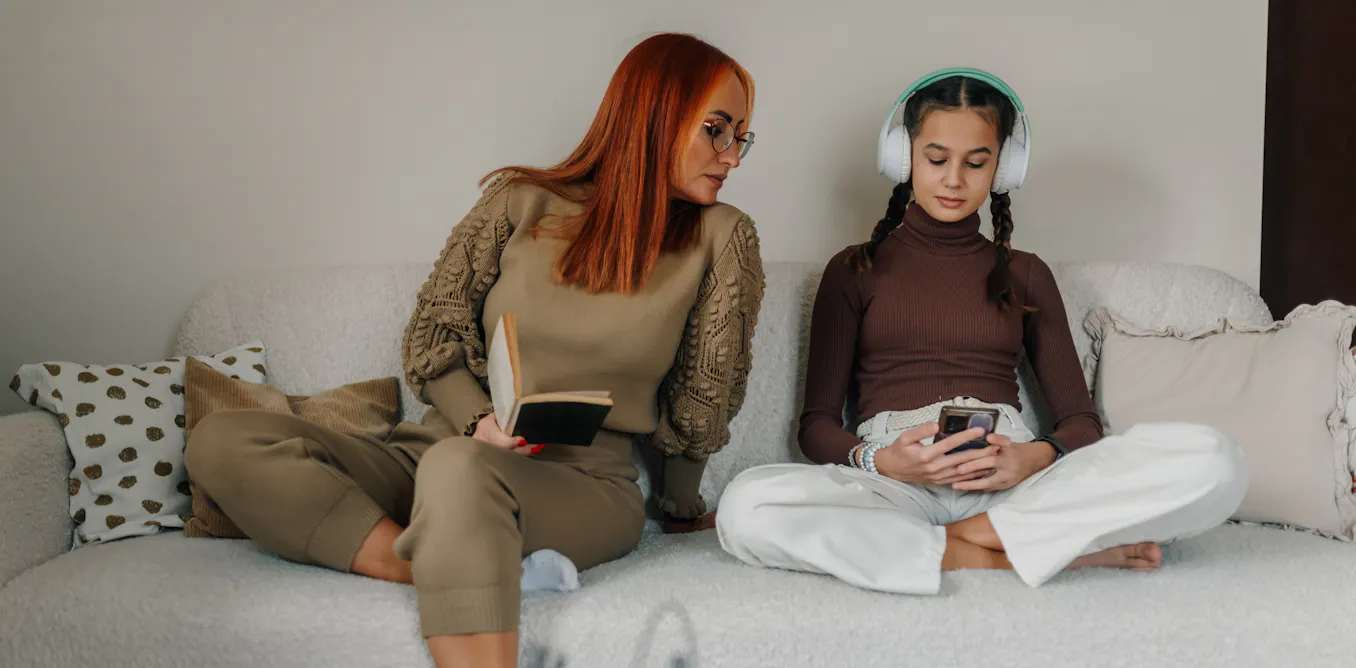
Parents emerge as secondary enforcers. They must monitor their children's device use, understand platform mechanics, and establish household rules around screen time. The legislation assumes parental awareness and capacity that research shows varies dramatically across socioeconomic groups.
Education plays an equally critical role. Schools need digital literacy curricula that teach children about algorithm manipulation, data harvesting, and mental health impacts of social comparison. This requires teacher training and curriculum development that existing budgets often cannot support.
The evidence base matters here. Studies from Oxford Internet Institute and King's College London document links between heavy social media use and anxiety, depression, and sleep disruption in adolescents. The American Psychological Association released guidance in 2023 warning against excessive use, particularly among teens aged 13 to 18. These findings support intervention but don't specify what form restrictions should take.
Age verification technology itself carries risks. Facial recognition systems, document scanning, and biometric data collection introduce new privacy vulnerabilities. The Information Commissioner's Office has cautioned that stricter age checks could compromise children's data security.
The legislation addresses a real problem. Young people spend an average of three hours daily on social media platforms designed with addiction mechanics. Yet the UK approach assumes a clean binary between allowed and forbidden access, ignoring that determined teens access platforms through VPNs, shared accounts, and wor