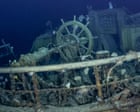
Climate warming is making Antarctica's Weddell Sea more accessible to explorers and invasive species, threatening the wreck of Ernest Shackleton's Endurance. Conservationists now push to establish the region's first underwater protected area before increased human activity damages the historic 1915 shipwreck.
The Endurance sank in 1915 after pack ice crushed the vessel during Shackleton's Imperial Trans-Antarctic Expedition. The wreck remained undisturbed for over a century due to extreme conditions: brutal temperatures, dangerous currents, and shifting sea ice that Shackleton himself called "the worst portion of the worst sea in the world." Researchers discovered the ship in 2022 in relatively intact condition, its structure preserved by the frigid environment and extreme isolation.
Rising temperatures linked to climate change are reducing sea ice extent and duration in the Weddell Sea. This warming opens the area to increased exploration and tourism. More accessible conditions also risk introducing non-native species into the Antarctic ecosystem, threatening biodiversity in one of Earth's most pristine regions.
The proposal for an underwater protected area would restrict access to the Endurance and surrounding waters, preventing looting, physical disturbance, and contamination. Such designations require approval from the Commission for the Conservation of Antarctic Marine Living Resources (CCAMLR), which manages marine resources in Antarctic waters under the Antarctic Treaty System.
The initiative reflects broader conservation concerns about climate change accelerating human pressure on remote polar ecosystems. As sea ice retreats and navigation becomes easier, Antarctica faces mounting threats from fishing, shipping, and resource extraction. The Weddell Sea remains one of the least explored ocean regions, hosting unique species found nowhere else.
Protecting the Endurance serves dual purposes: preserving a significant maritime heritage site and establishing a legal framework for broader marine conservation in Antarctic waters. The