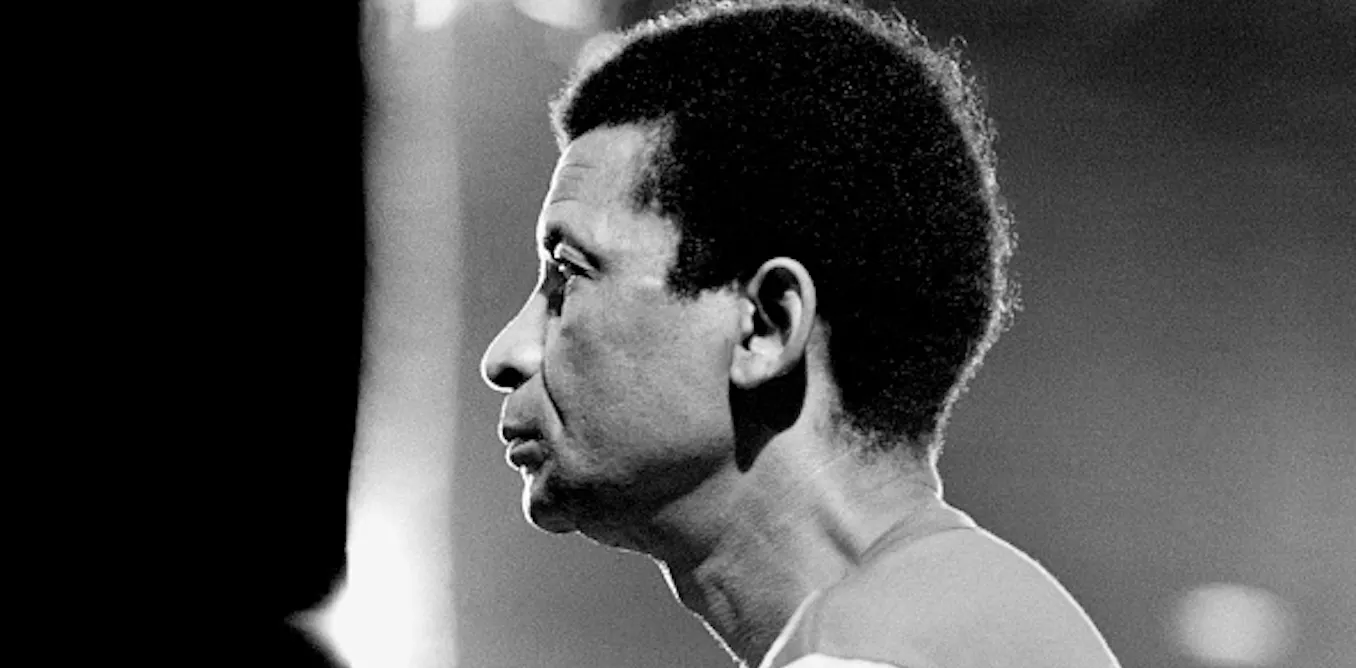
Abdullah Ibrahim, the legendary South African pianist, died on October 22, 2024, at age 92. His death marks the end of an era for a musician who used jazz as a tool for cultural resistance during apartheid and became a global ambassador for a reimagined South Africa.
Born Adolph Johannes Brand in Cape Town in 1931, Ibrahim came of age under apartheid's brutal racial segregation. He transformed himself through music, adopting an Islamic name and blending Cape jazz traditions with American bebop, stride piano, and African rhythms. His sound rejected the binary choice between Western and African identity that apartheid imposed.
Ibrahim's 1973 album "Hymnus Africanus" and his composition "Mannenberg" became anthems of anti-apartheid resistance. The latter, recorded in exile, became so politically charged that South African authorities banned it from radio during the 1980s. Yet it played at Nelson Mandela's release in 1990 and his presidential inauguration in 1994. Ibrahim performed at Mandela's funeral.
His career spanned seven decades and multiple continents. He recorded over 50 albums, collaborated with everyone from Duke Ellington's bandleader Billy Strayhorn to contemporary jazz artists, and mentored younger musicians. His spirituality shaped his work. As a practicing Muslim, Ibrahim composed sacred music alongside secular pieces, viewing both as expressions of human connection.
Ibrahim never separated music from politics. His artistry articulated what apartheid denied. He crafted what The Conversation describes as "a special brand of multiple identities and belief systems," refusing to simplify who he was or where he belonged. He moved between South Africa, Europe, and the United States, yet remained rooted in Cape Town's working-class jazz traditions.
His legacy extends beyond notes and recordings. Ibrahim demonstrated that an artist shaped by oppression