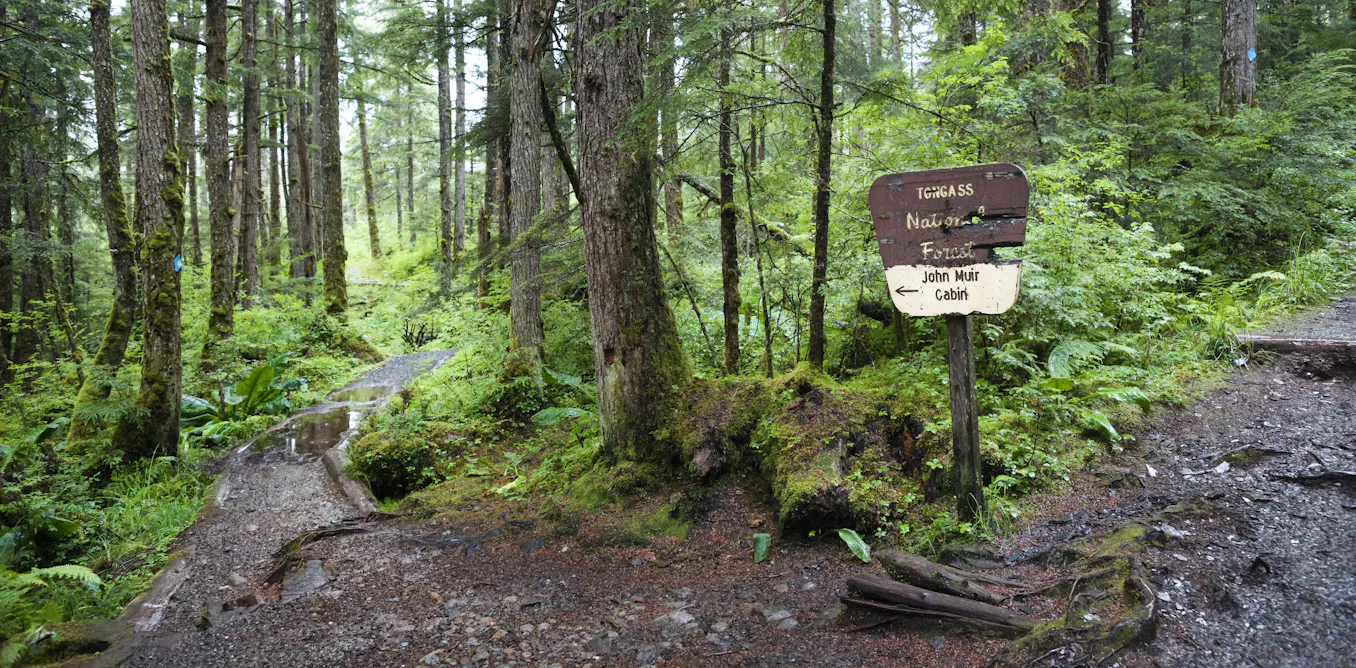
The Biden administration faces pressure to weaken or eliminate the Roadless Rule, a 1990s-era regulation that protects 58.5 million acres of federal forest from road construction. Dismantling this protection would open previously untouched ecosystems to development, logging, and mineral extraction.
The Roadless Rule, enacted under President Clinton, preserves some of America's last intact landscapes. These forests provide critical habitat for species like grizzly bears, lynx, and salmon. Road construction fragments wildlife corridors, increases erosion that silts streams and damages spawning grounds, and degrades water quality for downstream communities.
The ecological stakes extend beyond single species. Roadless forests act as carbon sinks, storing atmospheric carbon in trees and soil. Logging operations release this stored carbon while removing the forest's capacity to sequester future emissions. Research shows that old-growth forests continue accumulating carbon at substantial rates, contrary to earlier assumptions.
The rule also preserves acoustic ecology. Studies document that noise pollution from roads causes physiological stress in wildlife, alters breeding behaviors, and disrupts predator-prey relationships across distances of up to a mile from the pavement. Roadless areas represent refuges where wildlife communicate and interact without anthropogenic noise.
Water security hinges on forest integrity. Unbroken forest canopy regulates streamflow, maintains cool water temperatures essential for cold-water fish species, and filters runoff before it reaches municipal supplies. Road construction increases sedimentation and temperature fluctuations that harm aquatic ecosystems.
Pressure from logging interests and fossil fuel companies argues that removing the restriction would generate economic benefits and reduce wildfire risk through timber harvesting. However, peer-reviewed research demonstrates that thinning operations targeting small trees do not require road networks, and that roadless areas actually experience lower fire mortality rates due to moisture retention and cooler microclimates.