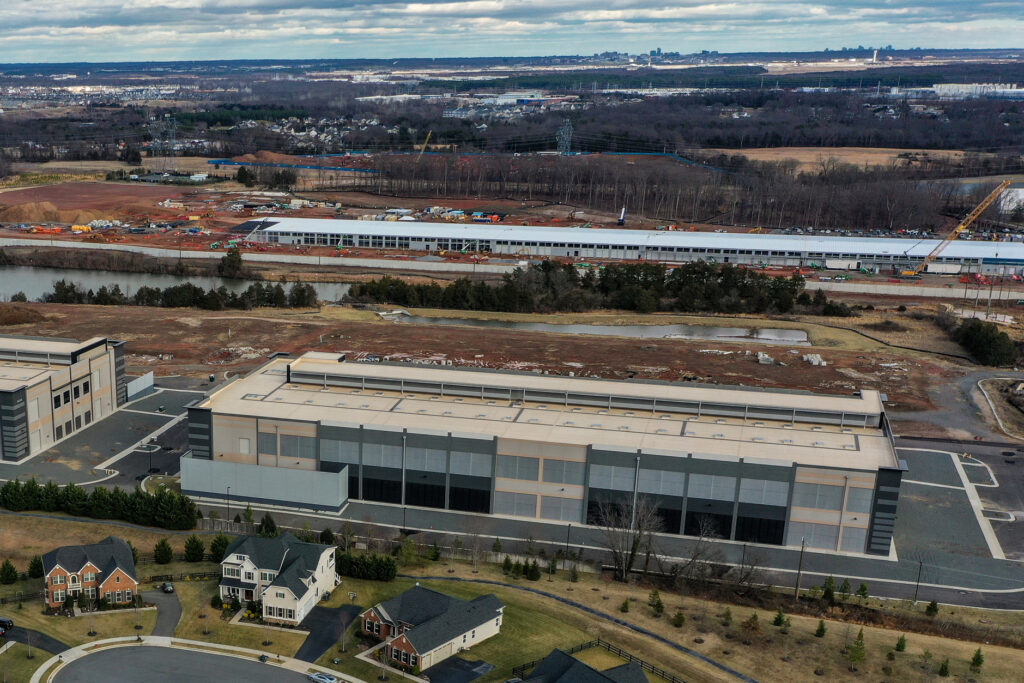
Microsoft faces mounting pressure to clarify its clean energy commitments in Virginia as it accelerates data center construction across the state. The tech giant previously pledged to match 100 percent of its electricity consumption with renewable energy, but reports suggest the company may abandon or weaken this goal amid surging demand for power-hungry artificial intelligence infrastructure.
Virginia hosts more data centers than any other U.S. state, concentrating roughly 30 percent of the nation's data center capacity in the Northern Virginia region alone. Microsoft operates multiple facilities there and plans further expansion, requiring enormous quantities of electricity. The company's potential retreat from renewable energy targets directly conflicts with Virginia's climate goals, which include achieving net-zero greenhouse gas emissions by 2045 under legislation signed into law in 2020.
The collision between corporate data center growth and state climate mandates exposes a critical gap in America's clean energy infrastructure. Data centers consumed approximately 4 percent of U.S. electricity in 2022, according to the National Renewable Energy Laboratory, with that figure projected to climb as artificial intelligence workloads intensify. Virginia's grid, supplied substantially by fossil fuels and nuclear power, struggles to meet existing clean energy requirements while absorbing new demand.
Microsoft has not formally announced any retreat from renewable energy commitments. However, the company's recent energy procurement patterns and statements suggesting grid constraints raise concerns among environmental advocates. State regulators and climate officials have expressed alarm that major tech firms may prioritize expansion speed over emission reduction pledges.
The situation underscores a broader tension facing the technology sector. Companies racing to dominate AI markets require exponential energy increases, yet most operate within regional power grids still dependent on carbon-intensive generation. Virginia's regulatory framework currently allows data centers to operate under different standards than other industrial facilities, potentially enabling Microsoft and competitors to sidestep stricter climate requirements.
Resolving this conflict requires Virginia to expand