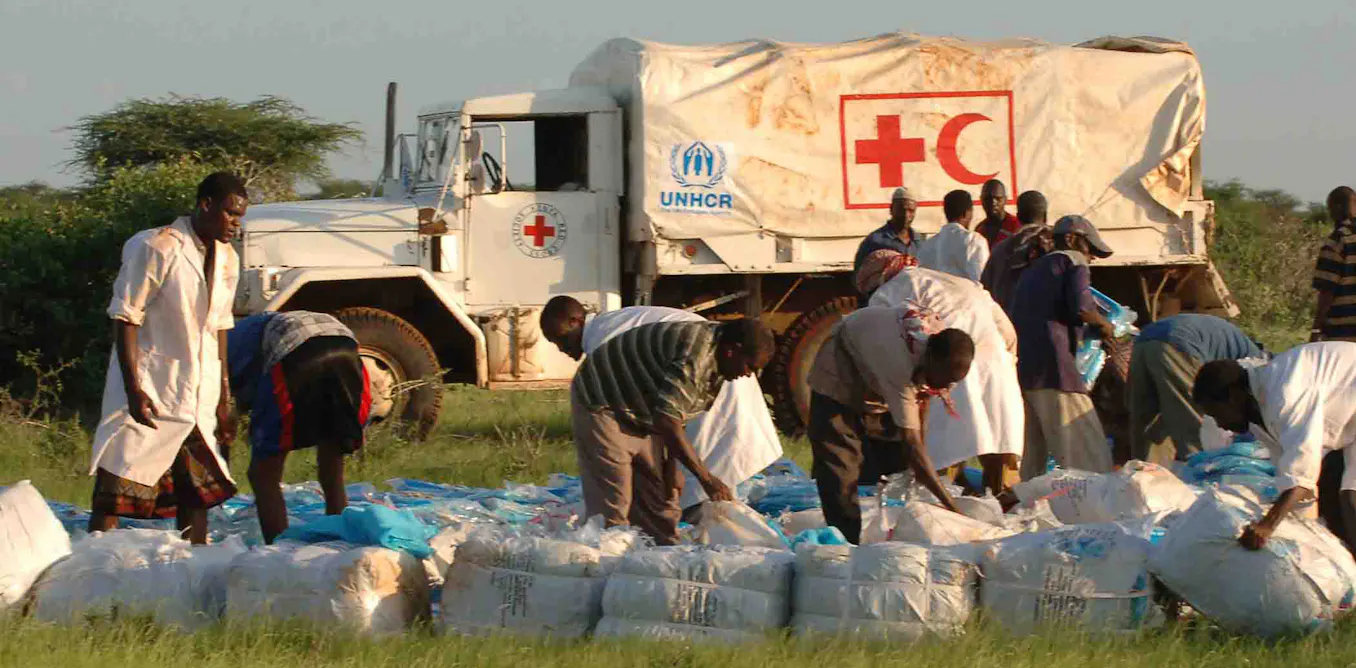
Kenya announced plans to transition away from its decades-old camp-based refugee system toward economic integration of displaced populations into host communities. The shift targets three sprawling camps that currently house roughly 190,000 refugees, primarily from Somalia, South Sudan, and Uganda.
The new policy prioritizes self-reliance over dependency. Refugees would gain access to labor markets, business licenses, and educational services in the wider Kenyan economy rather than remaining confined to isolated settlements. Officials frame the approach as both humanitarian and pragmatic, reducing long-term costs while improving refugee livelihoods.
The plan carries substantial implementation challenges. Kenya's economy faces unemployment pressures, and host communities already strain under the burden of hosting refugees. Local competition for jobs and resources could intensify tensions if the transition occurs without careful planning and adequate investment. Land access remains contested, with competing claims from both refugees and Kenyan citizens.
Security concerns also loom. Camps in northeastern Kenya near the Somali border have attracted militant recruitment and contraband trafficking. Dispersing populations into towns complicates monitoring and could affect counterterrorism operations, though proponents argue integration reduces radicalization by providing economic opportunity.
The policy's success depends on whether Kenya secures international funding to support the transition. UNHCR and donor nations have expressed interest, but detailed financial commitments remain unclear. Host counties like Garissa and Turkana require infrastructure development, including schools and healthcare facilities, to accommodate newly integrated refugees.
Previous regional integration attempts in Uganda and Tanzania offer mixed lessons. Uganda's self-reliance model expanded refugee movement rights but struggled with inconsistent implementation and inadequate service provision. Kenya's approach borrows from these experiences while attempting greater scale.
The timeline for camp closures remains unspecified. Officials indicate a gradual process spanning several years rather than abrupt displacement. Success requires coordination between national and county governments, refugee populations, and host