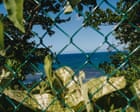
Jamaican activists are mounting a legal challenge to halt government privatisation of the nation's beaches, arguing that colonial-era property laws enable the transfer of public shorelines to private resort operators. The case heads to court next week.
The campaigners demand "free, legal, unfettered, forever rights" to beach access. They contend that ceding coastlines to international hotel chains transfers wealth to foreign investors while blocking Jamaican fishers, families, and communities from waters they depend on for food security, livelihoods, and recreation.
Jamaica's beach privatisation reflects a broader pattern across the Caribbean where tourism development subordinates local coastal access to resort expansion. The activists challenge laws inherited from the colonial period that classify beaches as private property when owned by adjacent land holders. This legal framework enables hotels to restrict public entry, fence shorelines, and exclude locals from traditional fishing grounds and swimming areas.
The case raises questions about Jamaica's obligations under international human rights law. The United Nations Guiding Principles on business and human rights recognise coastal communities' rights to ancestral waters and their role in food security. Jamaica ratified the International Covenant on Economic, Social and Cultural Rights, which guarantees the right to an adequate standard of living and freedom from hunger.
Local economy data shows fishing communities depend directly on beach access. Jamaican fishers harvest approximately 24,000 tonnes annually from near-shore waters, according to government fisheries data. Restricting their access to private beaches threatens both nutrition security and income for rural households.
The privatisation trend accelerates as tourism operators expand across Jamaica's 1,022-kilometre coastline. Resort developers have enclosed sections of previously accessible beaches in Montego Bay, Negril, and other tourist zones. The environmental impact compounds through coastal degradation, reduced fish nursery habitat in mangrove areas, and altered sediment flows.
Activists frame beach