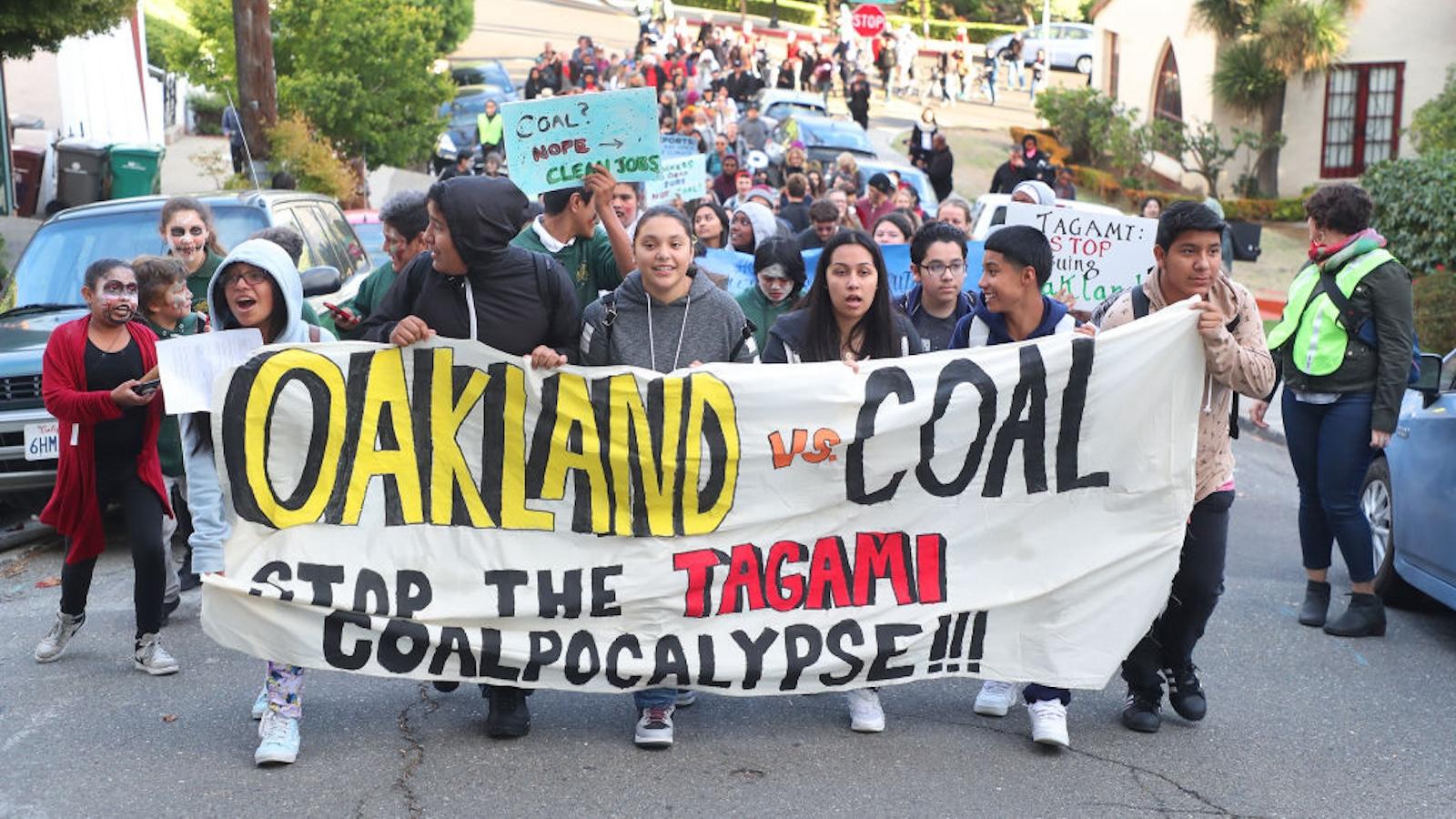
A $75 million federal grant awarded to Oakland's proposed coal export terminal may prove insufficient to overcome mounting financial and regulatory obstacles facing the decade-old project. The funding, the latest development in a contentious battle over infrastructure investment, arrives as the terminal struggles with cost overruns, permitting delays, and opposition from environmental and community groups.
The Oakland coal terminal project has faced consistent headwinds since its inception. Environmental advocates argue the facility would lock in decades of fossil fuel exports, contradicting California's climate commitments and the state's goal to phase out coal dependence. Local residents cite air quality concerns and health impacts from increased maritime traffic and coal dust emissions.
Cost escalation remains the terminal's primary obstacle. Project estimates have climbed substantially over the past decade, with construction expenses far exceeding initial projections. The $75 million federal allocation addresses only a fraction of total development costs, leaving a significant funding gap that developers must fill through private investment or additional public support. No major investor has committed to the project recently, signaling limited private sector confidence.
Regulatory challenges compound financial constraints. The project requires multiple state and local permits, environmental reviews, and approvals from the Port of Oakland. California's environmental review process has intensified scrutiny of projects with climate implications, slowing approval timelines.
The terminal's economic viability hinges on sustained coal export demand. Coal markets have deteriorated globally as renewable energy capacity expands and countries implement stricter climate policies. International shipping costs for coal have risen, reducing profit margins for exporters. These market forces suggest long-term demand uncertainty.
Oakland officials frame the project as an economic driver generating jobs and port revenue. Terminal supporters contend coal exports serve important trade functions and support domestic energy markets. Federal investment signals government backing for the project's continuation.
The combination of high capital costs, regulatory hurdles, weakening coal markets, and climate policy headwinds suggests the $75