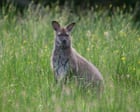
Red-necked wallabies, escaped from a private collection in the 1960s, now inhabit the Ballaugh Curraghs marshland on the Isle of Man. The population has transformed the landscape substantially since their initial escape.
Spotting the Australian marsupials in their adopted habitat presents little difficulty. Observers moving through willow stands encounter the grey-furred animals with characteristic alertness but minimal fear of humans. Sightings of joeys still nursing in pouches remain uncommon even within this established population.
The wallabies' ecological footprint extends beyond mere presence. Their grazing patterns have reshaped the marshland vegetation and habitat structure across the island's northern wetlands. This transformation raises complex management questions for local conservation authorities.
The Isle of Man faces a familiar invasive species dilemma. The animals thrive in their non-native environment, breeding successfully and establishing a self-sustaining population. Yet their presence alters the ecological balance that native species depend upon. Marshland plants, invertebrates, and ground-nesting birds experience pressure from continuous herbivory and disturbance.
Wildlife managers must weigh competing interests. Culling programs reduce numbers but prove costly and controversial with residents and visitors who view the wallabies as part of the island's character. Leaving populations unchecked risks ongoing habitat degradation in already vulnerable wetland ecosystems.
The Ballaugh Curraghs situation exemplifies how animal escapes from human captivity create long-term ecological consequences. The 60-year history of the wallabies demonstrates that establishing invasive populations proves far simpler than reversing them. Island ecosystems, particularly marshlands with limited space and interconnected habitats, prove especially vulnerable to such disruptions.
Balancing public interest in viewing the charismatic marsupials against the scientific reality of their ecological impact remains an