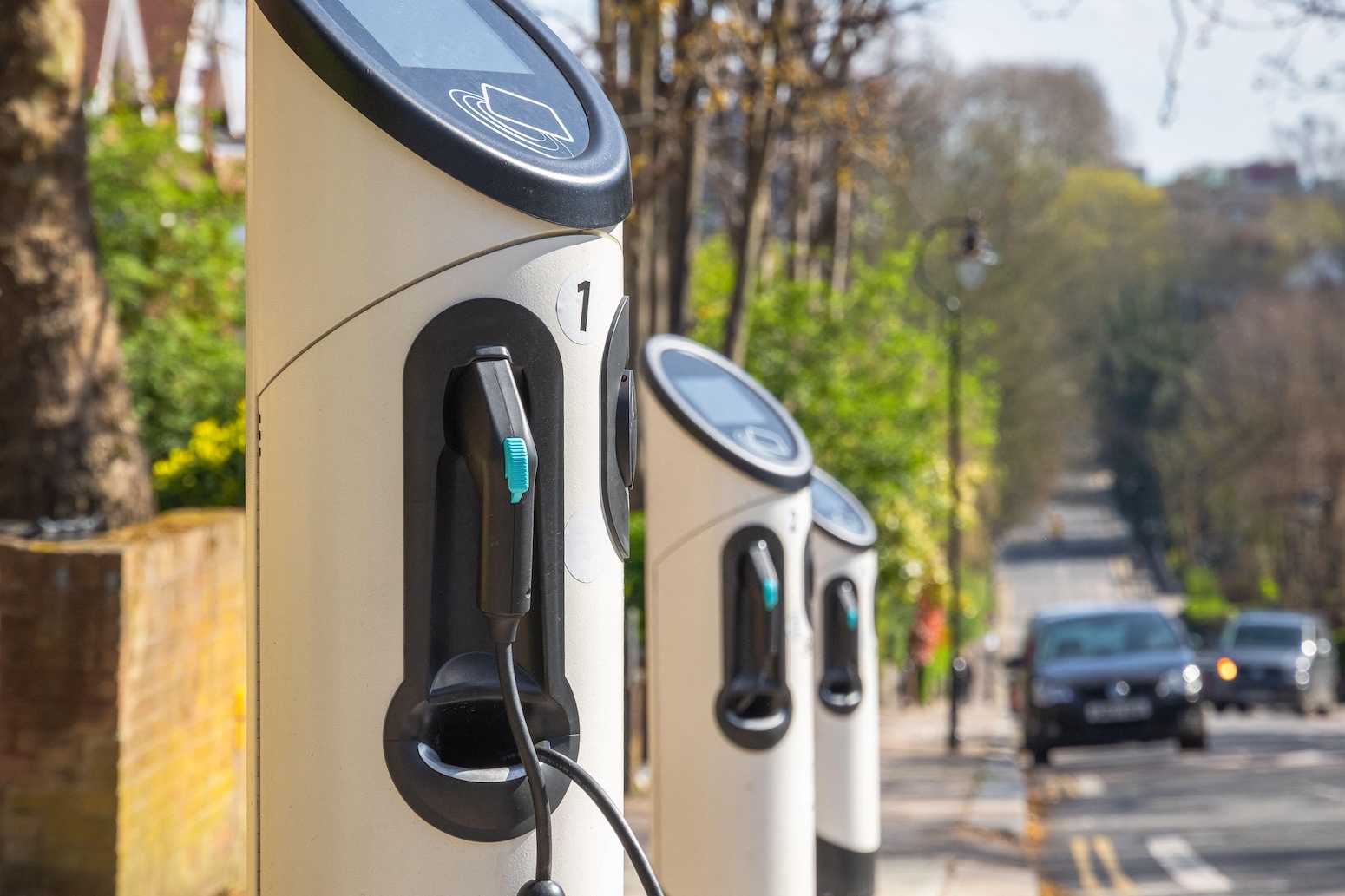
Britain's 4.2 million electric vehicle drivers collectively save £3 billion annually through lower fuel and maintenance costs compared to petrol and diesel vehicles, according to analysis by Carbon Brief. Individual EV owners pocket approximately £1,100 per year in savings.
The calculation reflects the cost differential between electricity and fossil fuels, plus reduced servicing expenses for vehicles with fewer moving parts. A typical EV owner traveling 10,000 miles annually spends roughly £300 on charging versus £600-£700 on petrol for a comparable combustion engine car. Maintenance costs for EVs run 40 percent lower than traditional vehicles over their lifetime.
These figures emerge as the UK government signals potential weakening of its electric vehicle adoption targets. Policy discussions have centered on extending the combustion engine phase-out beyond the current 2030 date for new vehicle sales, and 2035 for hybrids. Such moves would slow EV market penetration at a moment when ownership economics increasingly favor zero-emission vehicles.
The savings analysis matters for two reasons. First, it demonstrates that EV adoption no longer depends primarily on government subsidies or environmental altruism. The economics work standalone. Second, scaling these savings reveals transport's potential contribution to household energy bills. With 4.2 million drivers saving £3 billion, each percentage point increase in EV market share generates proportional economic benefits for consumers.
The UK transported 2.9 million electric cars as of 2024, representing roughly 16 percent of new vehicle registrations. Transport accounts for 27 percent of UK greenhouse gas emissions, with road vehicles responsible for 91 percent of transport emissions. Decarbonizing this sector through EV adoption directly reduces both national emissions and household expenditures.
Government hesitation on EV targets conflicts with market reality. Battery prices have fallen 89 percent since 2