# European Defense Cooperation Fractures as Fighter Jet Program Collapses
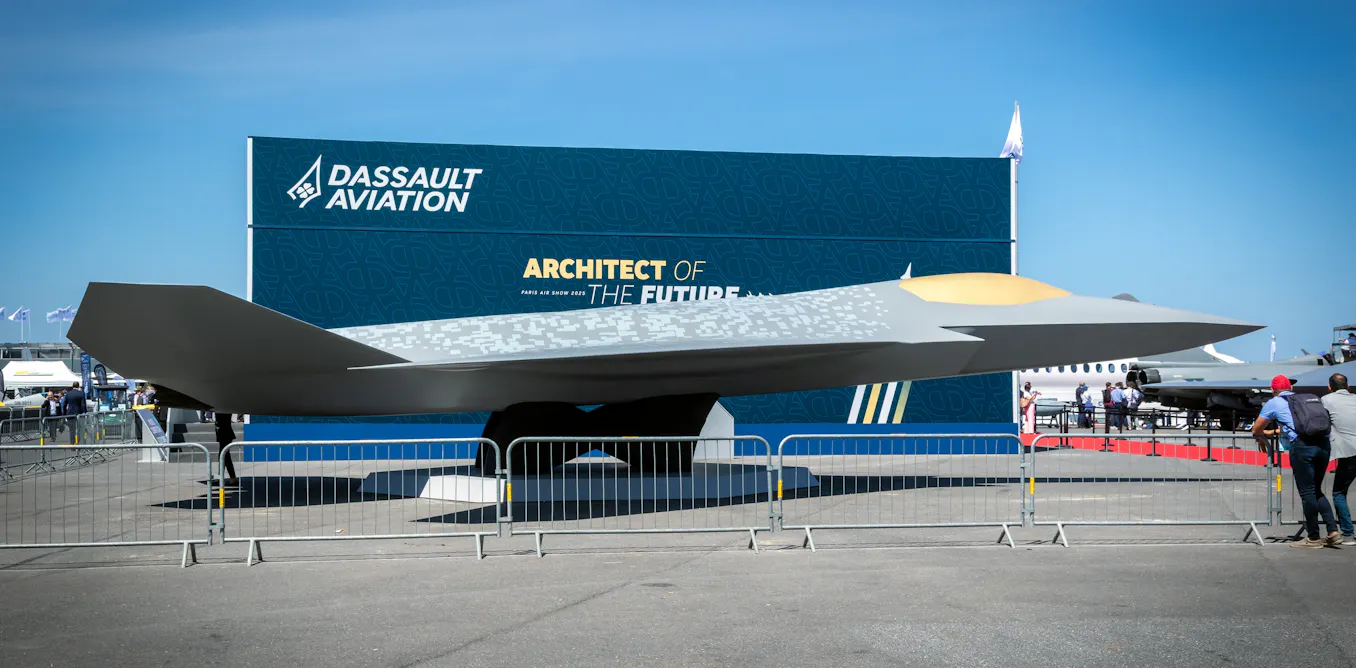
France and Germany's joint Future Combat Air System programme has failed, exposing fundamental weaknesses in European military coordination. The collapse reveals how national interests override shared defense objectives, creating gaps in Europe's technological capabilities at a time when geopolitical tensions are rising.
The programme, a cornerstone of European strategic autonomy, aimed to develop a next-generation fighter jet through integrated Franco-German cooperation. Such projects require sustained political commitment, technical alignment, and budget stability across multiple nations. The failure suggests these conditions were not met.
Defense procurement across Europe remains fragmented. Unlike the United States, which leverages scale through a single defense market, European nations often pursue parallel programs. This duplication wastes resources and fragments industrial capacity. When collaboration attempts fail, member states resort to bilateral or NATO-dependent solutions.
The FCAS collapse carries geopolitical weight. Europe's ability to develop cutting-edge military technology independently has been questioned repeatedly. Reliance on American systems leaves European states vulnerable to supply chain disruptions and policy shifts. A functioning joint fighter program would have strengthened Europe's strategic position in both NATO and autonomous operations.
Cost overruns, technical disagreements, and shifting political priorities typically derail such initiatives. Without naming specific studies, defense analysts consistently document how industrial coordination failures plague European projects. The program's unraveling reflects decades of pattern evidence.
The breakdown also signals problems with industrial leadership and burden-sharing. Nations must balance development costs fairly while maintaining technological parity with partners. When disputes arise over who controls critical components or intellectual property, partnerships fracture.
European defense spending has increased since 2022, partly driven by Ukraine's conflict and NATO revitalization. Yet spending more without structural coordination simply means duplicated investments. The FCAS failure underscores that money alone cannot replace transparent governance frameworks and shared strategic vision.