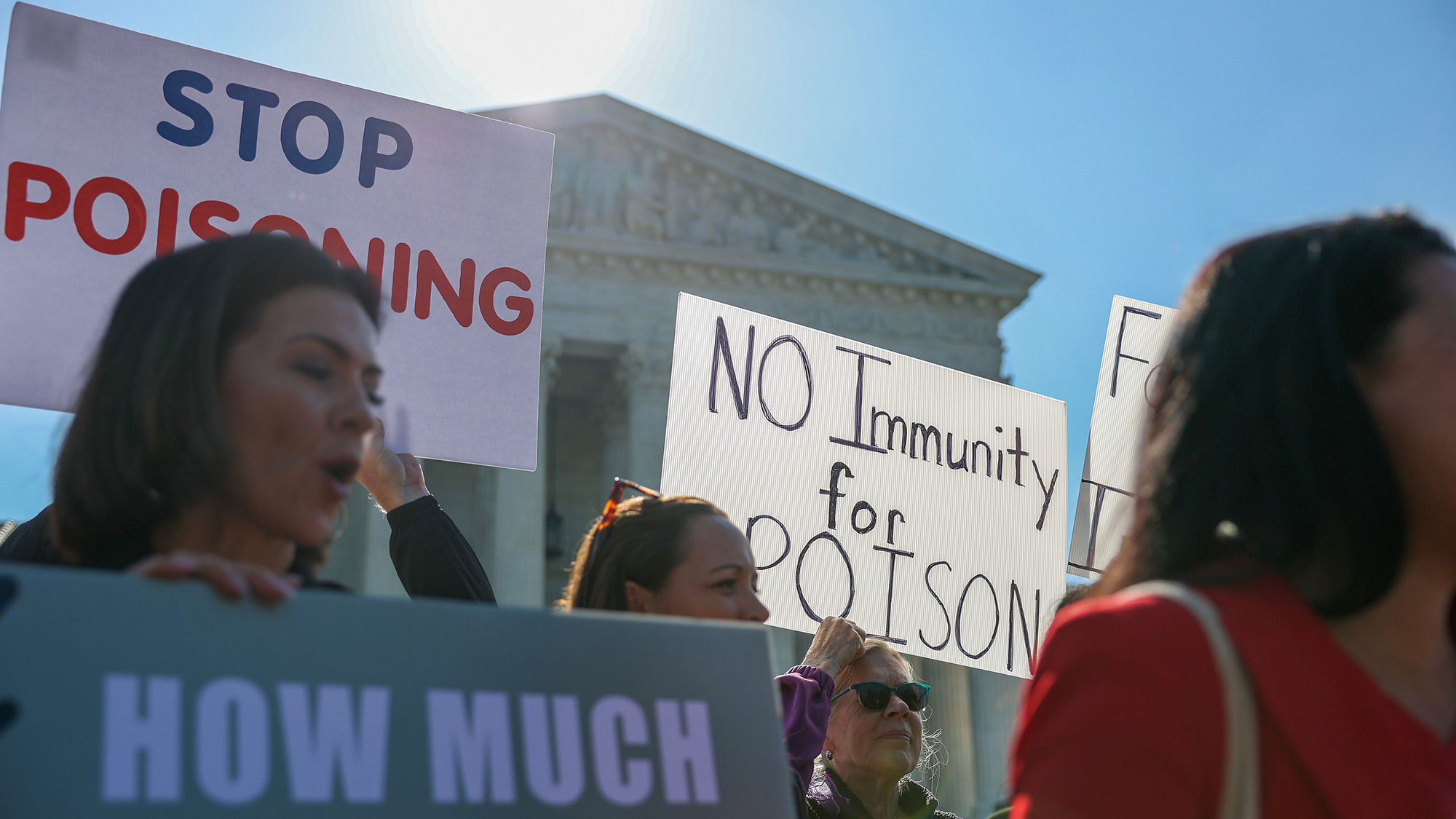
Pesticide manufacturers are advancing a coordinated campaign across U.S. states to pass immunity laws that would block lawsuits from farmers and families harmed by chemical exposure. The legislation shields companies from legal accountability even when their products cause documented injuries.
These industry-backed bills operate by establishing a legal framework that prevents injured parties from pursuing damages in court. Proponents claim the laws streamline agricultural operations and reduce regulatory burden. Critics argue the measures eliminate essential protections for vulnerable populations exposed to pesticides in farming communities and residential areas.
The push extends across multiple states simultaneously, suggesting coordination among industry groups and their legislative allies. Pesticide manufacturers including major agrochemical corporations have funded lobbying efforts supporting the immunity provisions. The laws typically include broad language that protects companies from negligence claims, failure-to-warn allegations, and product liability suits.
Public health advocates warn that immunity laws eliminate financial incentives for manufacturers to improve safety standards or provide adequate warning labels. Without lawsuit risk, companies face reduced pressure to invest in safer formulations or comprehensive disclosure of health risks. Agricultural workers and their families, who experience the highest exposure rates to pesticides, would bear the health consequences without legal recourse.
The timing of the legislative push coincides with increased scrutiny of pesticide safety. Research has linked certain widely-used herbicides to cancer, reproductive harm, and neurological effects. Courts in several states have awarded substantial damages to plaintiffs exposed to glyphosate products, establishing precedent for future claims.
Farmers themselves remain divided on the issue. Some support immunity laws as cost-reduction measures. Others recognize that pesticide manufacturers should maintain accountability for product safety, arguing that legal liability encourages responsible development and transparent labeling.
Environmental groups and consumer advocates are mounting opposition campaigns in affected states, urging legislators to reject immunity measures. They contend that legal accountability represents the only mechanism available to compensate harmed individuals and incentivize