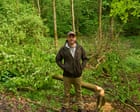
Rebalance Earth, an investment fund, has committed capital to rewild the 1,100-hectare Broughton Sanctuary estate near Skipton in North Yorkshire. The fund structures deals to generate financial returns alongside environmental and social benefits, a model increasingly adopted by impact investors seeking to restore degraded landscapes while maintaining economic viability.
The Broughton estate spans moorland, grassland, pasture, and woodland divided by traditional dry stone walls. Much of the land suffers from ecological degradation despite its pastoral appearance. Rewilding efforts target habitat restoration, species recovery, and carbon sequestration across the property.
Rebalance Earth operates by acquiring land or securing long-term agreements with owners, then implementing ecological restoration while monetizing environmental outcomes through carbon credits, biodiversity offsets, and conservation grants. This approach bridges a funding gap in land restoration. Traditional conservation relies on grants and donations; commercial agriculture maximizes yield but degrades soils and biodiversity. The investment model offers landowners income while executing restoration.
The North Yorkshire project aligns with UK biodiversity targets. England has lost roughly 97 percent of its wildflower meadows since the 1930s and continues to rank among Europe's most nature-depleted countries. Rewilding initiatives that restore native vegetation, reestablish predator-prey relationships, and increase structural habitat complexity address these losses at landscape scale.
Broughton's restoration includes removing invasive species, reintroducing native plants, and allowing natural successional processes. These actions rebuild soil carbon storage, increase water retention, and create habitat corridors for species migration.
The investment model faces scrutiny. Critics question whether carbon credits and biodiversity offsets function as legitimate climate and conservation tools or enable continued extractive practices elsewhere. Measurement standards remain inconsistent. However, advocates note the fund mobilizes private capital for restoration at pace and