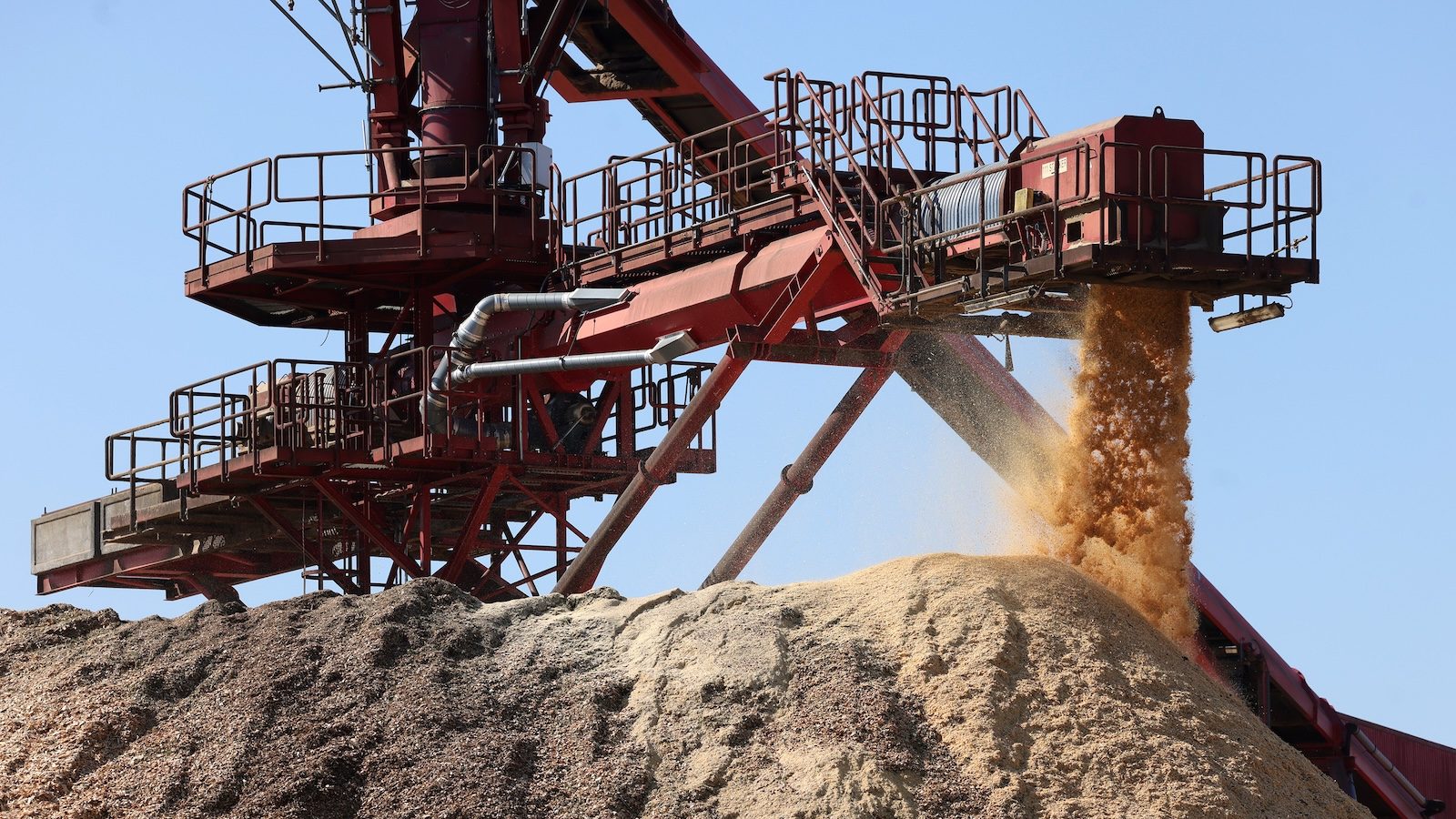
Louisiana legislators passed a bill supporting the wood-pellet industry without conducting substantive review of the sector's environmental record. The legislation moved swiftly through committee despite acknowledged knowledge gaps among lawmakers.
Wood-pellet manufacturers in Louisiana have accumulated multiple pollution violations. The industry operates facilities that emit particulate matter, volatile organic compounds, and other air pollutants. State regulators documented these breaches under the Clean Air Act and state environmental rules.
Industry representatives framed the bill as economic development. Louisiana hosts several large wood-pellet facilities that export products globally, primarily to Europe for biomass energy. The sector employs workers and generates tax revenue in rural parishes.
Environmentalists raised concerns about air quality impacts in communities near pellet plants. Studies document elevated emissions from wood-processing operations, particularly in areas with limited industrial oversight. The pollution affects residents with respiratory conditions and compounds existing air quality challenges in regions downwind of manufacturing zones.
Legislators acknowledged minimal familiarity with the wood-pellet sector during floor debate. Some committee members stated they "do not know a lot about" the industry's operations or environmental footprint. No comprehensive environmental assessment preceded the bill's passage.
The measure targets regulatory streamlining. Supporters claim excessive permitting delays hinder expansion and competitiveness. Opponents argue expedited approval processes could reduce environmental scrutiny at facilities with documented compliance problems.
The bill reflects a familiar pattern in Louisiana policy. Economic considerations frequently override environmental review in legislative decisions. Parish governments dependent on industrial tax bases often support business-friendly legislation with limited debate on pollution consequences.
The wood-pellet industry positions itself as sustainable because pellets derive from wood waste rather than virgin timber. Critics dispute this framing, noting that manufacturing processes generate substantial air emissions and that exported biomass fuel does not deliver net climate benefits compared to leaving forests intact.
Louisiana's wood-pellet sector continues expanding without clear state standards addressing pollution control