# Immune Cells Need Sugar Shield to Penetrate Tumors
CAR-T cell therapy equips patients' own immune cells with engineered receptors to recognize and destroy cancer cells. The treatment works, but many tumors erect barriers that prevent these cells from reaching cancer tissue. Researchers have identified a mechanism to help CAR-T cells breach these defenses.
Tumors create hostile microenvironments that exhaust and repel immune cells. Cancer cells produce immunosuppressive factors and establish physical barriers that block T cell infiltration. Even engineered CAR-T cells struggle to navigate this terrain once infused into patients.
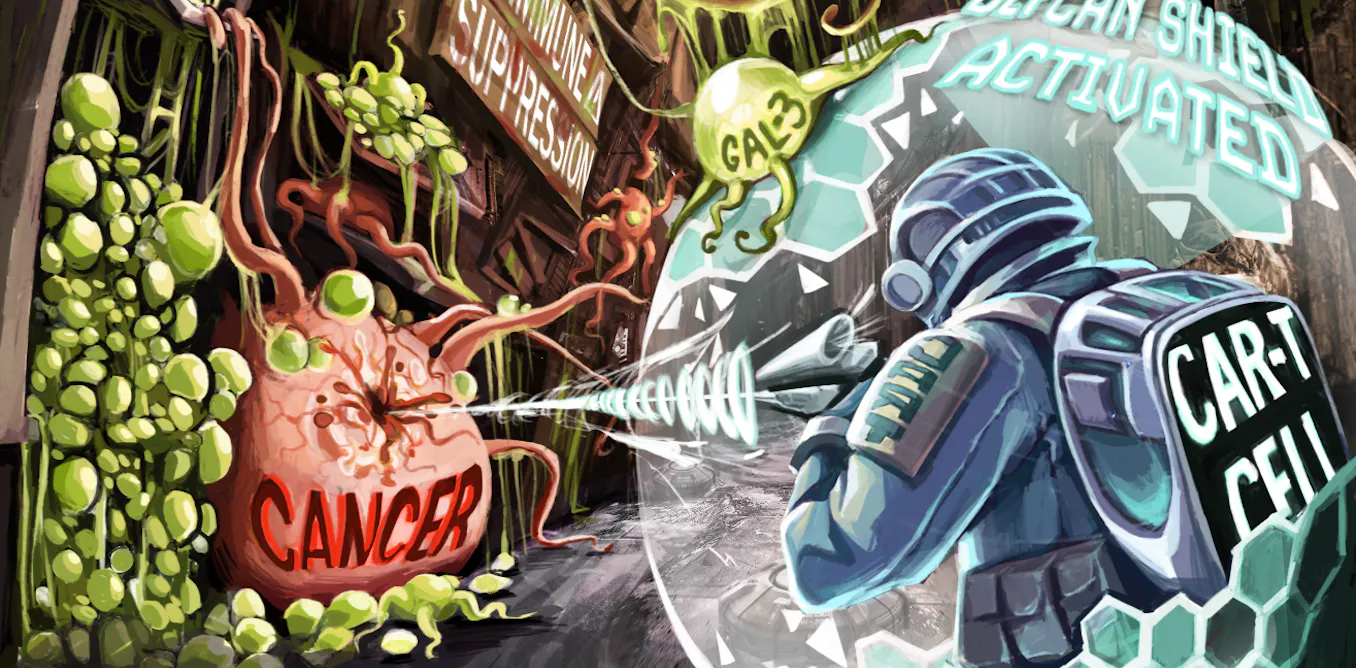
A sugar-based shield offers one solution. When researchers protected CAR-T cells with glycan modifications, the cells resisted hostile tumor conditions better. These protective sugars reduced cellular exhaustion and improved infiltration into tumor tissue. The shield acts as molecular armor, allowing cells to maintain function longer in the suppressive environment tumors create.
This approach builds on recent discoveries about tumor immunology. The tumor microenvironment depletes nutrients, creates acidic conditions, and releases exhaustion signals that disable immune function. Standard CAR-T cells encounter these obstacles and lose effectiveness. Enhanced resilience lets them push deeper into tumors before succumbing to these stressors.
The research underscores why CAR-T therapy remains challenging despite early promise. Engineering better immune cells requires addressing not just target recognition but survival in hostile terrain. Glycan shielding appears to improve both factors simultaneously.
CAR-T therapy shows remarkable results against blood cancers like lymphomas and leukemias. Solid tumors remain difficult because cells cannot penetrate deep tissue effectively. Making CAR-T cells more resilient to tumor conditions expands potential applications and improves treatment outcomes for patients with previously intractable cancers.