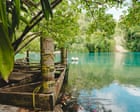
Jamaican activists are mounting legal challenges to halt the privatization of public beaches, arguing that resort developments restrict access to coastal waters that legally belong to citizens. The campaign centers on Mammee Bay in St Ann parish, where decades-old public access has been cut off by commercial resorts.
Devon Taylor, a local resident, documents the transformation. The shoreline once hosted children swimming after school, fishers selling daily catches, and vendors working under almond trees. Now resort gates block entry to what residents consider their own coastline.
Campaigners frame the development pattern as "plantation tourism," a business model that concentrates wealth among foreign investors and wealthy elites while excluding most Jamaicans from their natural resources. The activists argue that Jamaica's constitution protects public beach access, yet enforcement remains weak as tourism development accelerates across the island.
The legal strategy challenges whether private property rights should override citizens' traditional use of public shores. Courts will decide if Jamaica's legal framework, which technically guarantees beach access to all citizens, can override commercial development agreements that have effectively sealed coastal areas behind resort infrastructure.
This dispute reflects broader tensions in Caribbean tourism economies. Jamaica depends heavily on resort revenue and foreign investment, but that dependency has created a system where public resources become privatized through long-term concessions and development agreements. Local communities lose access to fishing grounds, traditional gathering spaces, and cultural heritage sites.
The case also raises questions about enforcement mechanisms. Jamaica's environmental and property laws exist on paper, but implementation by government agencies has lagged. Tourism development ministry decisions often prioritize investor interests over constituent protections.
Activists emphasize that beach access represents more than recreation. For fishing communities, coastline access determines survival. For working-class Jamaicans, free beach use offers one of few affordable leisure options. For the nation's cultural identity, unimpeded shore access connects present generations to historical practice and community bonds.
The