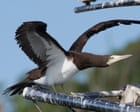
A black-headed gull sighting in Western Australia has triggered an intense search among Australian birdwatchers, a response that reveals the deep scientific value beneath what outsiders often dismiss as obsessive hobby behavior.
The gull, a common resident of European and Northern Asian cities, represents a rare vagrant thousands of kilometers off its established range. For twitchers, the birders who chase sightings to expand their life lists, such anomalies matter. The author, a self-described semi-retired twitcher, argues that this enthusiasm drives important ecological documentation.
Twitchers operate as informal citizen scientists. Their networks rapidly disseminate sighting information across Australia, creating real-time biodiversity records. In an era of mass extinction, these distributed observers capture data that formal institutions struggle to generate. Each unexpected arrival tells a story about climate shifts, storm patterns, and species range changes.
The black-headed gull discovery exemplifies this value. A bird this far from home suggests either severe weather displacement or longer-term range expansion driven by environmental change. Systematic tracking of such occurrences provides evidence for understanding how species respond to anthropogenic pressures. Twitchers have documented shifts in migratory patterns, documented declining populations before formal surveys detected decline, and identified range expansions in real time.
Yet twitchers face ridicule for what appears to outsiders as obsessive list-building. The author reframes this criticism. List-making creates incentive structures that concentrate skilled observers on bird populations. These observers develop intimate knowledge of field identification, behavioral ecology, and local conditions. Their networks operate faster than peer-reviewed literature cycles, flagging environmental changes months or years ahead of scientific publications.
Australian birders' response to this single gull reflects a broader recognition that twitching generates knowledge. The search coordinates multiple observers, documents the bird's movements, and creates a record of vagrant occurrence patterns. Over