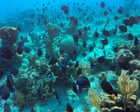
Cuba's marine conservationists are improvising solutions to protect the Ciénaga de Zapata national park's coral reefs, a UNESCO tentative World Heritage site, as the US blockade and economic crisis starve the region of resources.
Divers conduct regular cleanup operations, collecting plastic waste and aluminum cans from the seafloor using electric trailers during morning expeditions. In recent operations, teams recovered five sacks of debris in a few hours. The reserve spans 490,000 hectares and contains some of the Caribbean's healthiest coral ecosystems, but faces mounting pressure from multiple directions.
Invasive species, inadequate environmental monitoring, and climate-driven warming threaten the reefs' survival. The economic sanctions limit Cuba's ability to purchase monitoring equipment, replacement parts, and conservation materials. Local teams respond by repurposing discarded cables, manufacturing artificial reef structures from clay, and training freedivers to conduct surveys without relying on fuel-dependent boats or expensive SCUBA equipment.
Cuban marine biologists have documented rising seawater temperatures and coral bleaching events linked to global warming. The park's mangrove forests, which provide nursery habitat for fish populations, face saltwater intrusion and degradation. Invasive lionfish populations prey on native species and destabilize food webs.
The conservation effort reflects broader challenges facing island nations in the Global South. Limited budgets force resource-constrained countries to adopt low-tech approaches to environmental protection. Cuba's reef management model, developed under extreme constraints, demonstrates both the ingenuity of local scientists and the inadequacy of relying on improvisation alone.
International scientific partnerships remain difficult due to trade restrictions. Cuban researchers operate with aging laboratory equipment and minimal funding for long-term monitoring programs. Despite these obstacles, the Ciénaga de Zapata team continues baseline surveys and species inventories critical for understanding reef resilience