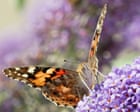
Painted lady butterflies are arriving across Britain in exceptional numbers this year, with lepidopterists documenting one of the most remarkable migrations on record. The species, identifiable by orange wings with black tips and white spots, has appeared far earlier and in far greater densities than typical years.
The phenomenon centers on the painted lady's extraordinary multigenerational migration pattern. Unlike single-journey migrations, these butterflies complete multiple breeding cycles across continents during a single year. Populations begin in North Africa and the Middle East, breed across southern Europe, then push northward into Britain as spring wanes. Each generation adds to the overall population pressure moving north.
This year's invasion reflects favorable breeding conditions in source regions combined with weather patterns that accelerated northward movement. Heatwave conditions across Britain have created ideal nectaring habitat, with dandelions and other wildflowers providing abundant food sources. Observers report painted ladies appearing weeks ahead of their typical midsummer peak, suggesting migration cycles have compressed.
The painted lady holds ecological importance as an indicator species for tracking climate patterns and habitat quality across continents. Butterfly Conservation, the UK's leading conservation charity focused on Lepidoptera, has documented these influxes for decades as a proxy for broader environmental health.
What distinguishes this year involves both quantity and timing. Naturalists familiar with decades of records struggle to recall comparisons. The early arrival suggests shifting climate zones are pushing breeding ranges northward faster than historical records indicate. Each generation completes development more rapidly in warming conditions, potentially squeezing what once took a full year into shorter timeframes.
The painted lady's appearance holds particular value for citizen scientists and amateur naturalists. Unlike many specialist species requiring specific host plants or microhabitats, painted ladies thrive across diverse vegetation. Their visibility during migration makes them accessible for widespread observation and documentation, providing valuable data on population dynamics and range shifts that might otherwise require