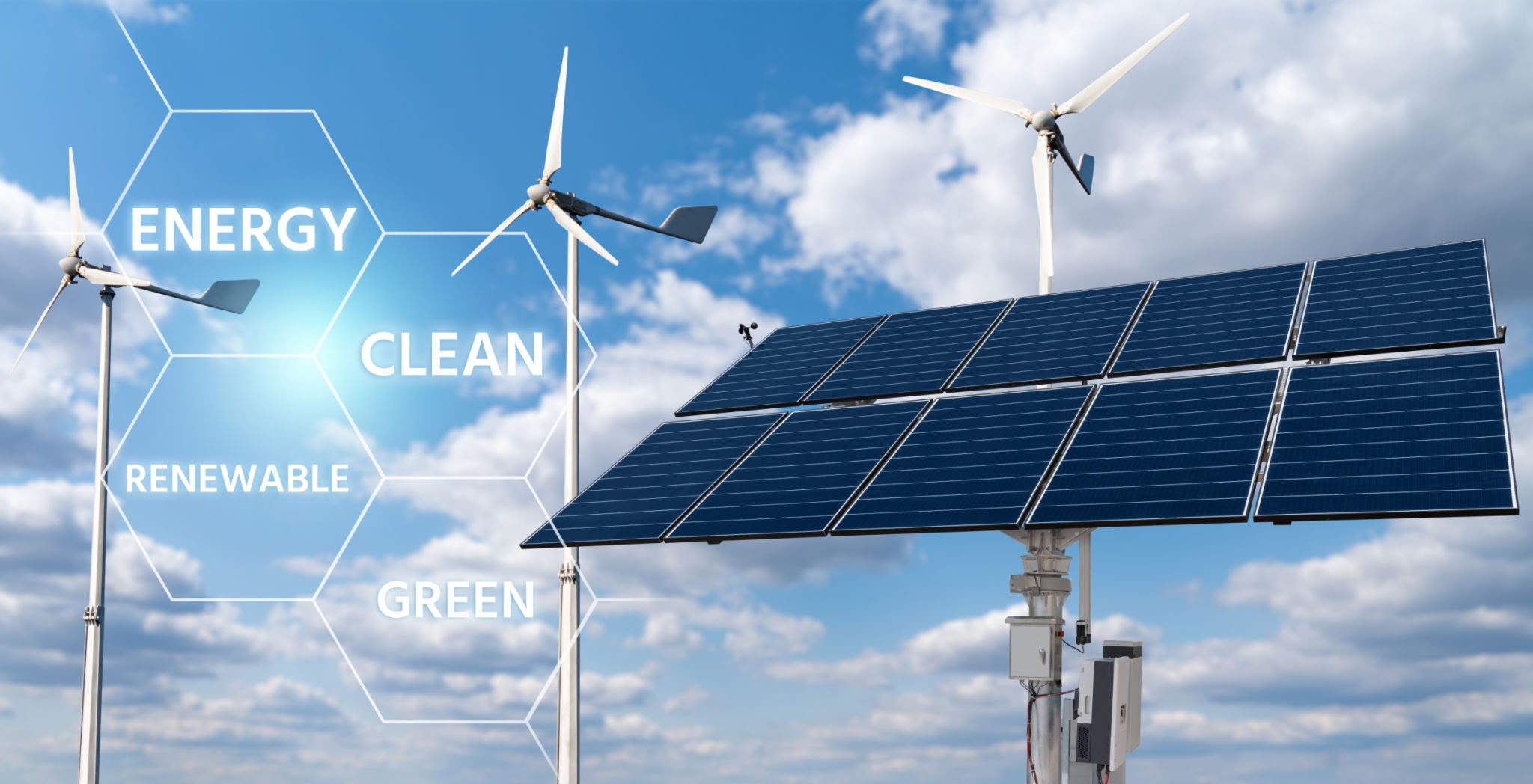
Global investment in clean energy has accelerated, with capital flows tilting toward renewables and away from fossil fuels. Ingmar Rentzhog of We Don't Have Time documented this shift, noting that investors increasingly recognize the economic case for transitioning to wind, solar, and other low-carbon technologies.
Yet the surge in clean energy funding masks a harder reality. Absolute fossil fuel investments remain substantial. The International Energy Agency reported that coal, oil, and gas still capture significant portions of global energy capital, even as renewable energy funding grows faster percentage-wise. Energy demand continues rising in developing economies, where coal plants still offer cheaper entry points than renewables.
Deployment speed matters more than investment figures alone. Installing capacity faster than coal plants retire determines whether global emissions decline. Many nations lag targets set under the Paris Agreement. Solar and wind now comprise roughly 13 percent of global electricity generation, according to recent assessments, though this share must reach 80-90 percent by 2050 to align with climate scenarios limiting warming to 1.5 degrees Celsius.
Grid infrastructure poses another constraint. Renewable energy requires substantial investment in storage, transmission lines, and smart grid technology. Battery manufacturing capacity still lags demand projections. Supply chain vulnerabilities around lithium, cobalt, and rare earth minerals threaten scaling timelines.
The financial shift toward clean energy reflects both climate pressure and market dynamics. Battery costs fell 89 percent over the past decade, making solar and wind cheaper than coal in many regions. Yet intermittency challenges and geopolitical competition for critical materials complicate the transition narrative.
Rentzhog's observation captures something real about investor sentiment. Venture capital and institutional money increasingly flow toward cleantech startups and renewable utilities. Oil majors face pressure from shareholders and regulators to disclose climate risks. But investment momentum alone does not guarantee emissions reductions arrive fast enough to meet climate