# Summary
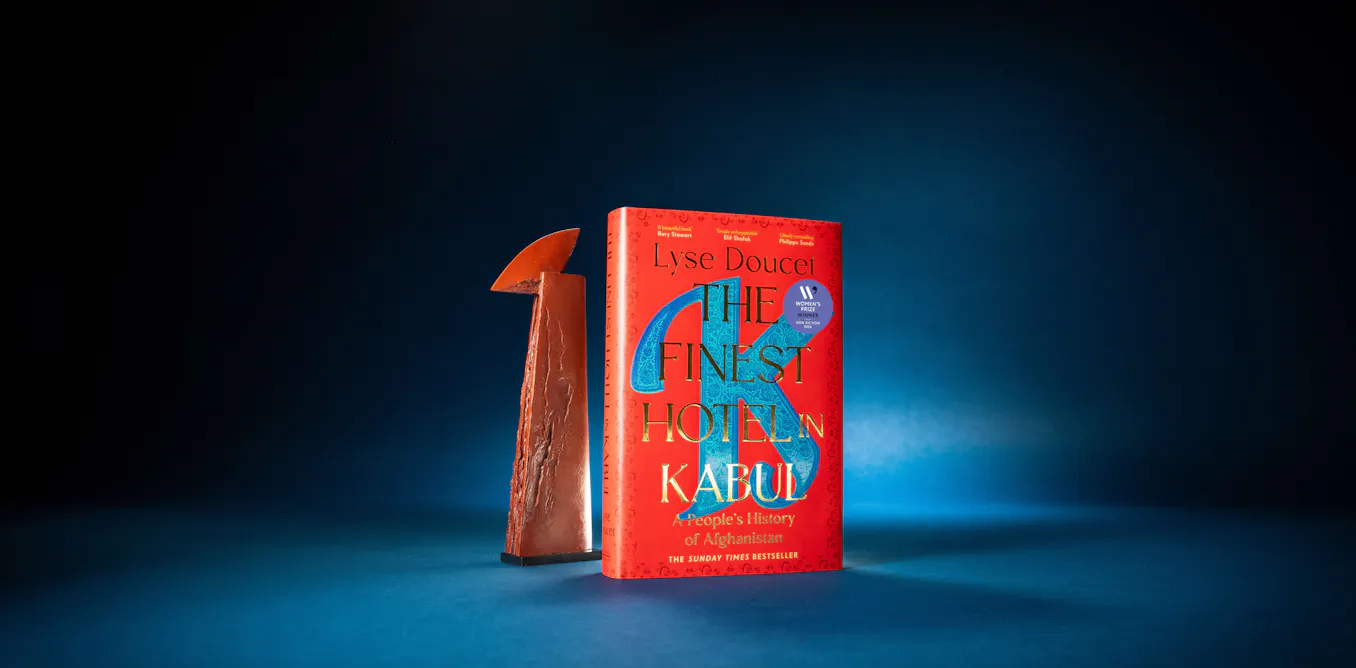
Annika Penksa's "The Finest Hotel in Kabul" won the Women's Prize for Non-Fiction by reconstructing Afghan history through the lives of guests and staff at the Kabul Intercontinental Hotel. The book uses the hotel as a lens to document Afghanistan's political upheaval, foreign interventions, and daily survival across decades.
The hotel operated as a gathering point for diplomats, journalists, business people, and ordinary Afghans navigating shifting power structures. Through interviews and archival research, Penksa captures voices rarely centered in Western accounts of Afghanistan. She documents how ordinary people endured occupation, civil war, Taliban rule, and American military presence from the 1960s through the 2021 withdrawal.
The Intercontinental served as a microcosm of Afghan society itself. Hotel workers witnessed regime changes from their positions behind the counter. Foreign guests brought expectations shaped by their governments' policies. Afghan patrons conducted business, celebrated, and sometimes concealed their identities depending on which faction held Kabul.
Penksa's approach challenges conventional Afghanistan narratives built around geopolitics and military strategy. Instead, she foregrounds the perspectives of hotel managers, cooks, cleaners, and residents who experienced history from within Afghanistan rather than viewing it from outside power centers. This methodology recovers accounts that official histories overlook.
The Women's Prize recognition signals growing editorial interest in non-Western perspectives and women-centered historical storytelling. The award validates Penksa's decision to center Afghan voices at a moment when Afghanistan faced international abandonment. Her book documents resilience and complexity in a nation frequently reduced to conflict and failure in English-language media.
"The Finest Hotel in Kabul" demonstrates how institutional spaces can anchor historical narratives. By following one building across political transformations, Penksa traces how individuals adapted,