A new survey reveals that majorities of Democrats and moderate Republicans attribute rising household expenses to climate change, reflecting growing public recognition of climate impacts on personal finances.
The poll captures shifting perceptions about climate costs among American consumers. Democrats overwhelmingly link climate change to inflation and rising expenses. Moderate Republicans, typically less aligned with climate concerns, also acknowledge the connection between warming and increased costs. This convergence suggests climate impacts on household budgets transcend partisan divides on climate science itself.
Higher energy bills, food price inflation, and insurance costs represent tangible ways climate change reaches household finances. Extreme weather damages infrastructure and disrupts supply chains, raising repair and replacement costs. Drought conditions stress agricultural output, pushing food prices upward. Insurance companies increasingly adjust premiums in high-risk climate zones, directly raising homeowner and auto insurance costs.
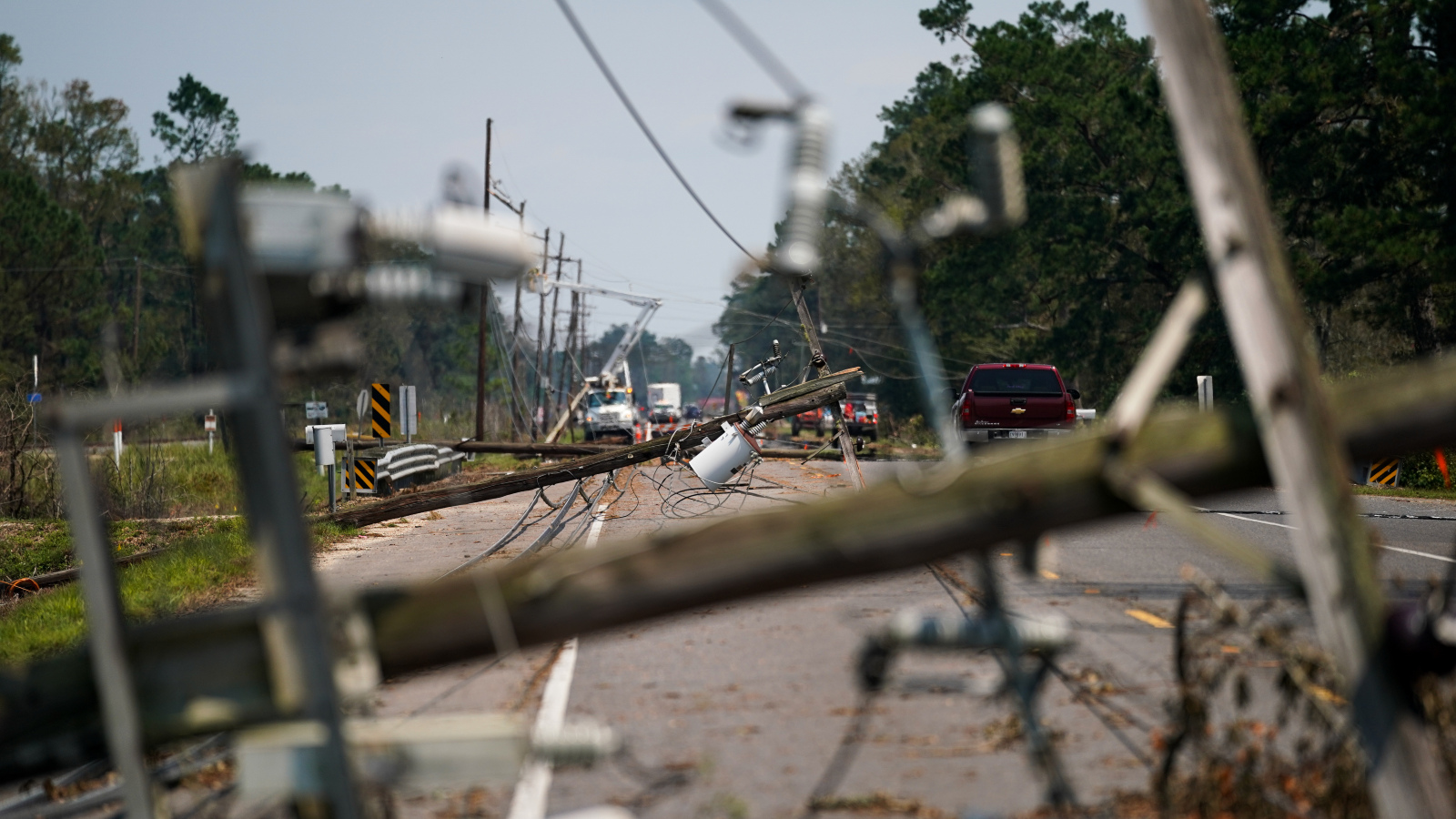
The survey's findings align with economic data. The U.S. experienced record-breaking heat waves in recent years, correlating with peak electricity demand and higher utility bills. Flooding and hurricanes damage property and boost reconstruction expenses. These visible price increases may explain why Americans across the political spectrum now connect climate patterns to their wallets.
The divergence remains with conservative Republicans, who show less agreement that climate change drives cost increases. This gap reflects ongoing disputes about climate causation rather than disagreement about rising expenses themselves. Americans universally experience inflation and weather-related damages.
The results suggest climate change has moved beyond abstract environmental concern into immediate household economics. When people pay higher electric bills during heat waves or see insurance premiums rise after severe storms, they attribute costs to warming. This materialization of climate impacts in monthly bills and insurance statements creates constituency pressure for policy responses, regardless of underlying beliefs about climate science.