A new study published in Science reveals that global climate policy overlooks atmospheric emissions that amplify warming through indirect mechanisms, not direct heat-trapping effects.
These "climate forcer" compounds trigger chemical reactions in the atmosphere that either generate additional greenhouse gases or extend the atmospheric lifetime of existing ones. Unlike carbon dioxide, which traps heat directly, these emissions work through secondary pathways that prove harder to regulate under current international agreements.
The research comes as global temperatures hit record highs, yet policy frameworks remain focused on traditional greenhouse gases. The Kyoto Protocol and Paris Agreement target carbon dioxide, methane, and nitrous oxide. They address ozone-depleting substances. But they largely neglect compounds like nitrogen oxides (NOx), volatile organic compounds (VOCs), and sulfur dioxide that reshape atmospheric chemistry.
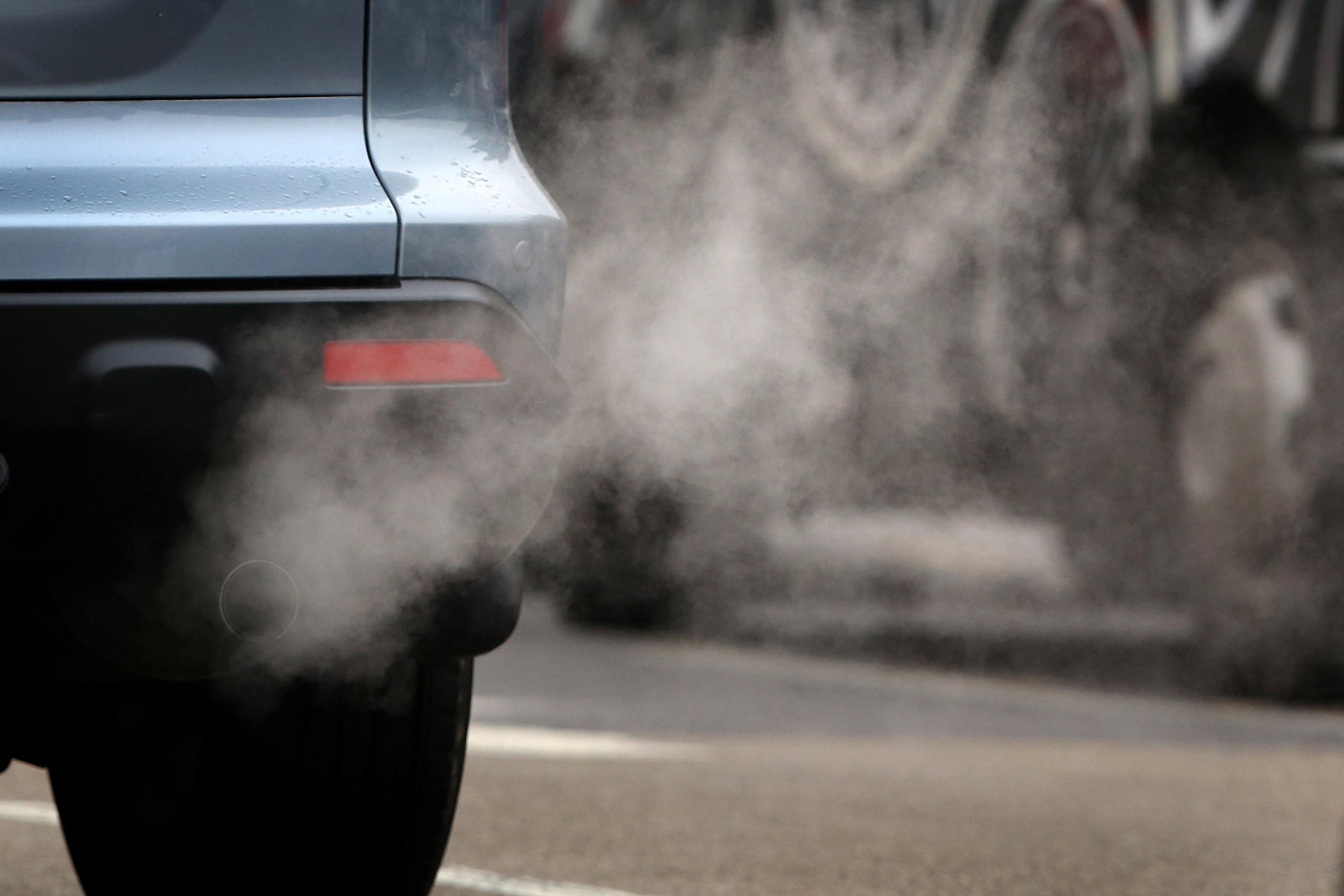
Nitrogen oxides, released from power plants, vehicles, and industrial facilities, participate in complex reactions that form tropospheric ozone. This ground-level ozone acts as a potent greenhouse gas and air pollutant. VOCs from solvents, fuels, and chemical processes similarly contribute to ozone formation. Sulfur dioxide from coal combustion affects atmospheric aerosols, which influence cloud formation and albedo, the Earth's reflectivity.
The Science paper underscores that controlling these indirect climate forcers requires different policy approaches than carbon reduction strategies. Some interventions overlap. Switching to renewable energy cuts both CO2 and NOx emissions. But others demand targeted action. Reducing agricultural ammonia emissions or industrial VOCs requires sector-specific regulations that most climate agreements do not mandate.
The findings suggest policymakers must expand climate governance beyond traditional greenhouse gases. The current fragmented approach addresses air quality in some regions while ignoring climate impacts. Europe's stricter NOx standards reduce both pollution and atmospheric warming. Yet developing nations often lack such regulations.
As countries prepare for upcoming climate negotiations