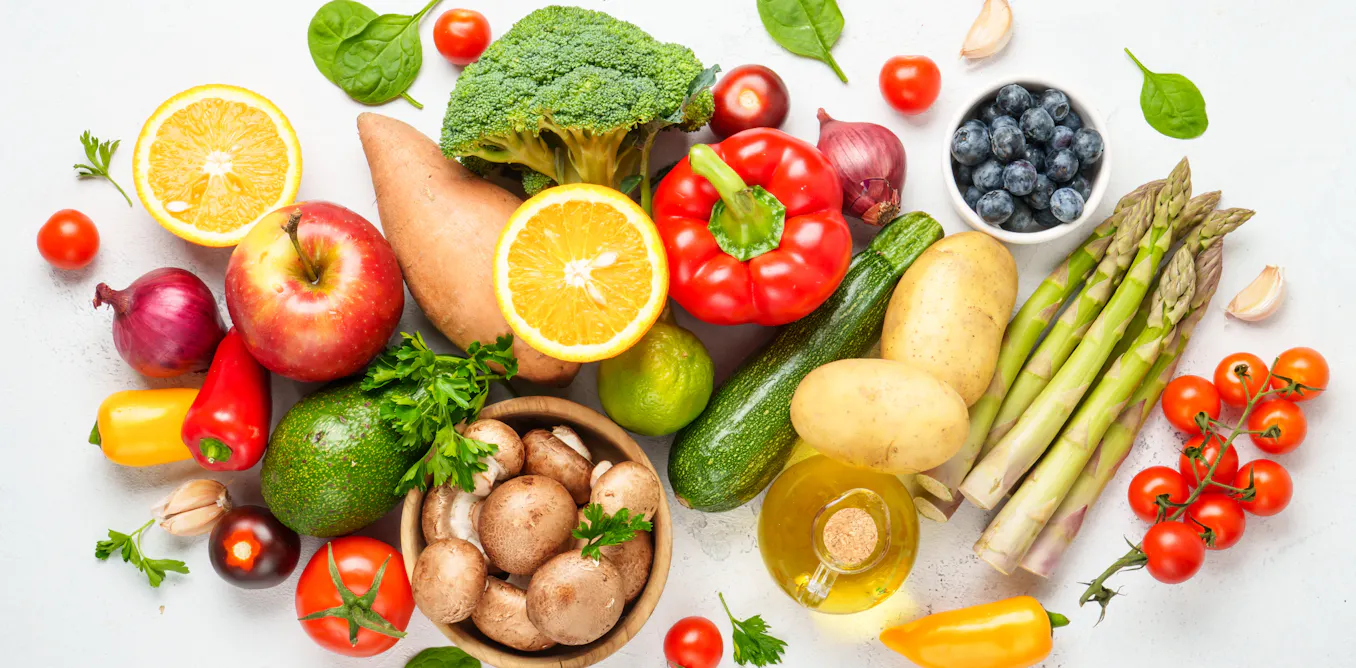
Researchers have identified stark differences in the heart health benefits delivered by specific fruits and vegetables, challenging the one-size-fits-all "eat your produce" messaging that dominates public health guidance.
The study examined bioactive compounds—nutrients like flavonoids, carotenoids, and polyphenols—that reduce cardiovascular disease risk. Not all produce contains these protective chemicals in equal measure. Leafy greens, berries, and cruciferous vegetables like broccoli rank highest in bioactive density. Iceberg lettuce, by contrast, delivers minimal cardiovascular benefit despite being technically a vegetable.
The research indicates that consuming 200 grams of berries daily reduced heart disease risk by roughly 15 percent in trial data, while the same quantity of less nutrient-dense vegetables showed negligible protective effects. Leafy greens demonstrated consistent cardiovascular protection across multiple studies.
This distinction matters for public health policy. Current dietary guidelines recommend consuming "fruits and vegetables" without distinguishing between nutrient profiles. A diet heavy in potatoes, corn, and processed vegetable products can meet recommended vegetable servings while providing little cardioprotective benefit.
The findings suggest targeted dietary advice could yield better population-level health outcomes. Recommending specific produce—spinach, kale, blueberries, strawberries, Brussels sprouts—rather than generic categories would help consumers make choices that meaningfully reduce disease risk.
Socioeconomic barriers remain significant. Berries and fresh leafy greens cost more than shelf-stable, processed alternatives in many communities. Expanding access to high-bioactive produce through subsidies, urban farming initiatives, and retail policy represents a complementary approach to individual dietary choice.
The research underscores a broader principle: not all food policy is equally effective. Evidence-based recommendations that distinguish between produce types align nutrition science more closely with actual disease