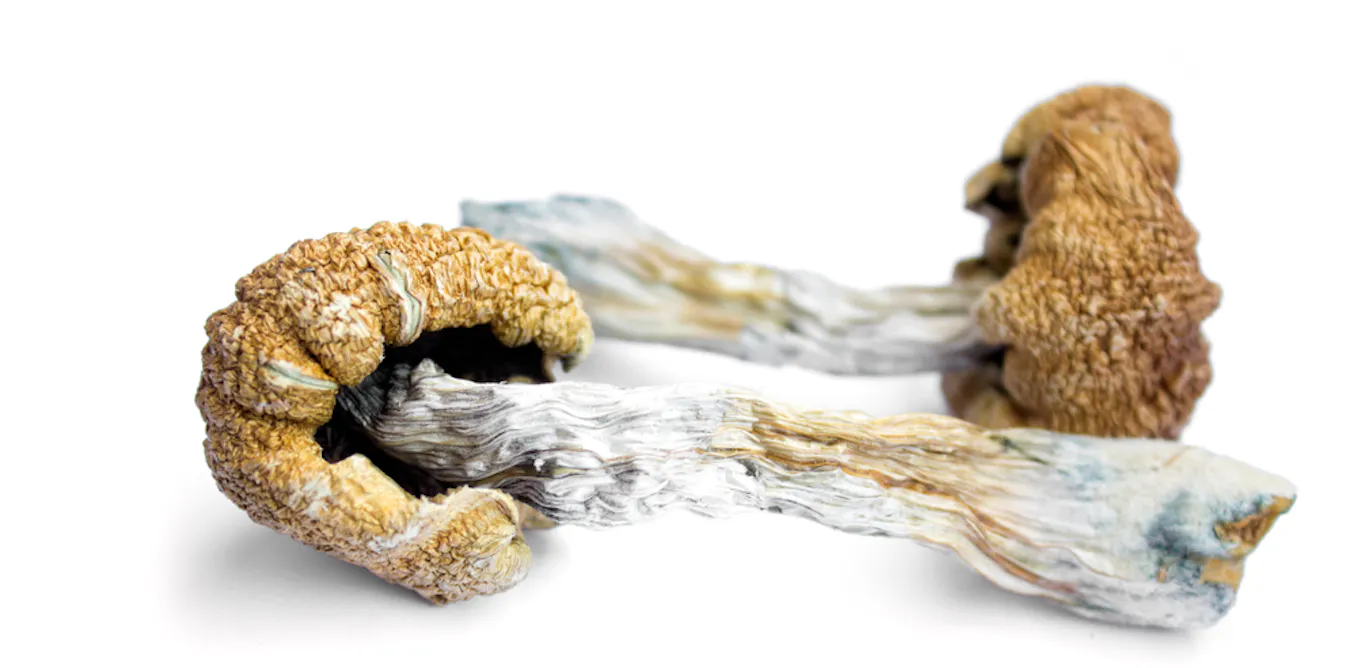
A woman with advanced Alzheimer's disease regained the ability to speak and moved about independently after receiving psilocybin in a clinical setting, according to a case documented by researchers. The patient, who had progressed to late-stage dementia and had been largely non-verbal, showed marked cognitive and behavioral improvements following treatment with the psychedelic compound.
The case represents an anomaly rather than a proven treatment pathway. Researchers emphasize that a single patient outcome cannot establish efficacy or safety protocols for psilocybin as an Alzheimer's therapeutic. Neuroscientific mechanisms remain unclear. The woman's recovery could reflect placebo response, natural disease fluctuation, or unmeasured environmental factors rather than the drug itself.
Psilocybin research has expanded in recent years into depression, anxiety, and PTSD treatment, with some clinical trials showing promise in those conditions. The compound appears to promote neuroplasticity and reduce inflammatory markers in some patient populations. Whether those mechanisms translate to neurodegenerative diseases like Alzheimer's remains unknown.
Alzheimer's affects approximately 6.7 million Americans and destroys brain cells progressively, leading to irreversible cognitive decline. Current FDA-approved treatments like aducanumab and lecanemab offer modest slowing of cognitive decline in early stages but have significant limitations and risks.
The case highlights both the desperation families face with terminal neurodegenerative conditions and the gap between anecdotal observations and rigorous evidence. Researchers note that controlled trials with adequate sample sizes, standardized dosing, and objective outcome measures would be necessary before drawing conclusions about psilocybin's role in dementia treatment.
The woman's apparent improvement warrants further investigation through proper clinical research frameworks. However, patients and families should not interpret a single case as evidence that psilocybin can reverse advanced Alzheimer