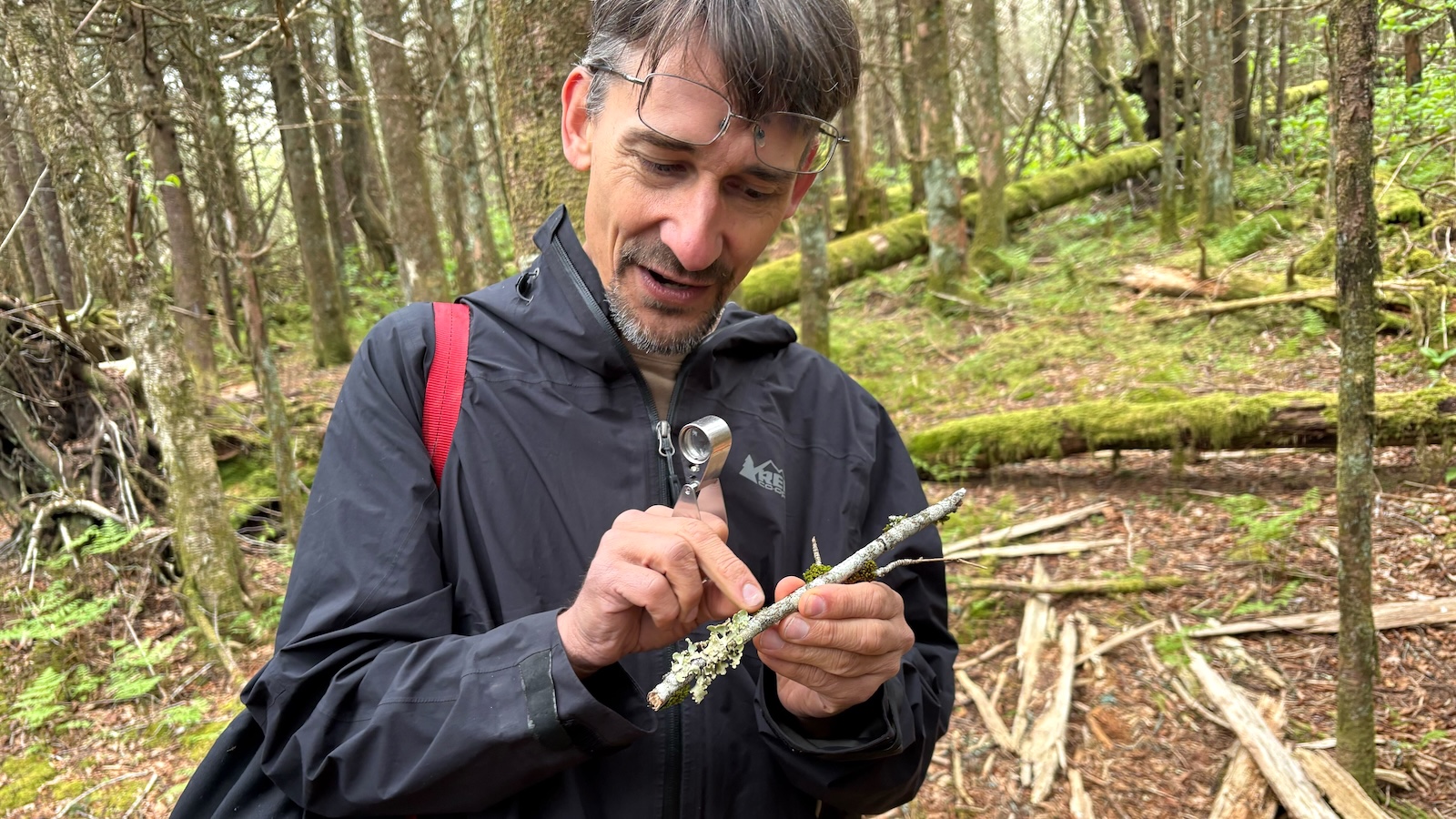
In Great Smoky Mountains National Park, a coalition of volunteer researchers has launched an ambitious biodiversity inventory aimed at cataloging species across one of North America's most ecologically rich ecosystems. The effort responds to accelerating climate shifts that threaten the park's exceptional species diversity.
The Great Smoky Mountains harbor more than 30,000 documented species, with scientists estimating thousands more remain undiscovered. Elevation gradients spanning from 875 to 6,643 feet create distinct ecological zones that support organisms from tropical-like lowlands to alpine communities. Climate warming reshapes these zones vertically, forcing species upslope toward cooler refuges or local extinction.
Citizen scientists participating in the inventory focus on organisms often overlooked in traditional surveys. Lichens, fungi, insects, and other invertebrates serve as bioindicators of ecosystem health and climate stress. By establishing baseline data now, researchers can detect population shifts, range contractions, and community composition changes as temperatures rise.
The volunteer network taps into a long tradition of community science. Participants receive training in species identification and field protocols. Their observations feed into databases managed by the National Park Service and partnering universities, creating longitudinal records essential for tracking climate impacts on biodiversity.
This documentation work becomes increasingly urgent. The Smoky Mountains already experience measurable warming. Spring arrives earlier, frost dates shift, and species phenology misaligns with historical timing patterns. Invasive species exploit these disrupted conditions.
The inventory also addresses a practical constraint. Formal scientific funding often limits biodiversity surveys. Volunteers expand survey capacity and geographic coverage at minimal cost. Their contributions democratize conservation science while producing usable data for park management decisions.
Success depends on sustained participation and long-term commitment. Multi-year datasets reveal trends that single snapshots cannot. The volunteers understand they document biodiversity during a window of rapid change, creating an