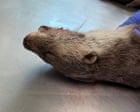
Cardiff University's Otter Project performs roughly 200 postmortems on dead otters annually, with Otter No. 4,888 representing a typical case. Found dead near the River Cefni on Anglesey in November 2024, the animal was frozen and transported to the university's laboratory, where all UK dead otters should be sent for examination.
The vast majority of specimens dissected come from roadkill incidents. The postmortem process, conducted on stainless steel tables in Cardiff, involves careful examination to determine cause of death and collect data on population health and mortality patterns. This systematic approach transforms individual animal deaths into scientific information that informs conservation efforts.
Otter populations across the UK have recovered significantly since the 1970s, when organochlorine pesticides and habitat loss pushed them toward extinction in England and Wales. The species' rebound represents one of Britain's conservation successes. Yet otters remain vulnerable to modern threats, particularly road mortality as they travel between waterways and habitats increasingly fragmented by human development.
The Cardiff Otter Project, based at the university's wildlife laboratory, maintains records on every otter examined. Each postmortem documents cause of death, age, sex, reproductive status, and health indicators. This data reveals patterns in otter mortality and identifies emerging threats to the population.
Road deaths constitute the single largest source of otter mortality in many regions. As otter populations expand into new areas and crossing distances increase, vehicle collisions become more frequent. Understanding exactly where and why otters die helps researchers and conservation groups target mitigation efforts, from installing wildlife crossing structures to adjusting road designs in high-risk areas.
The Otter Project's work exemplifies how seemingly grim scientific procedures generate actionable conservation data. Each postmortem contributes to a comprehensive understanding of otter population dynamics, survival rates, and environmental pressures