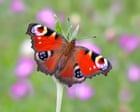
Butterfly Conservation conducted the first national poll to identify Britain's favourite butterfly, with over 20,000 votes cast across 60 native species. The peacock butterfly won decisively.
The peacock butterfly earned its victory through a combination of visual distinctiveness and widespread presence across the British Isles. Its markings—lavender, yellow, and maroon eyespots set against rusty red and black wings—make it instantly recognizable. The species flies throughout spring, summer, and autumn in gardens, parks, and countryside across all corners of Britain.
The peacock butterfly's dominance in the vote reflects its status as one of the nation's most abundant butterfly species. Unlike rarer butterflies requiring specialized habitats or plants, peacocks thrive in common garden settings where they feed on nettles. Their presence in backyards and allotments makes them a familiar reference point for most Britons engaging with wildlife in their immediate surroundings.
Butterfly Conservation's decision to run this inaugural poll comes amid broader concerns about insect population decline. Garden butterflies serve as environmental indicators. Population trends in common species like the peacock provide data on habitat quality and pesticide use affecting broader ecosystems. The organization's emphasis on native species voting reflects conservation priorities around protecting Britain's natural biodiversity.
The peacock butterfly's victory carries practical implications for garden management and public conservation efforts. Species that perform well in human-dominated landscapes often become focal points for citizen science monitoring programs and habitat improvement campaigns. Gardens managed to support butterflies—through planting native plants like nettles and reducing pesticide applications—create stepping stones across fragmented landscapes that enable populations to persist.
The poll results offer a snapshot of public engagement with Britain's butterfly fauna while highlighting which species command immediate recognition and affection. This knowledge helps conservation organizations prioritize communication strategies and identify which butterflies resonate most powerfully with public audiences when mounting habitat protection