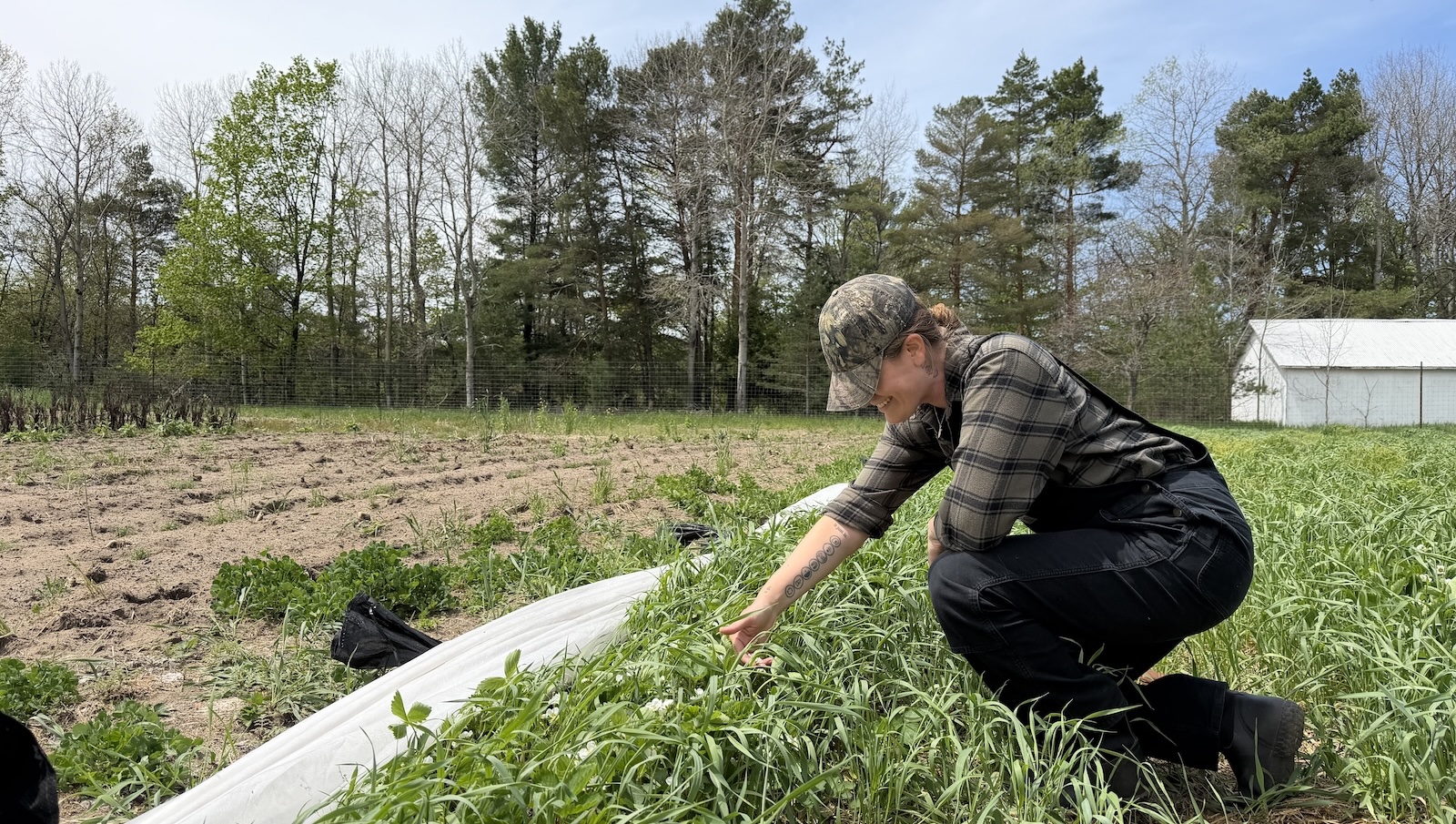
Michigan's Great Lakes Incubator Farm provides aspiring farmers with land, resources, and mentorship to launch agricultural operations without the financial risk that typically deters new entrants to farming. The program addresses a documented shortage of new farmers in the U.S., where the average farmer age exceeds 57 and farmland ownership remains concentrated among aging operators.
The incubator model operates on a straightforward premise: reduce barriers to entry. Participants gain access to cultivable land, equipment, and technical guidance while developing business plans and building soil health. This approach eliminates the largest obstacle facing new farmers—securing affordable land in competitive markets where prices have climbed steadily over decades.
Agricultural economists recognize this gap as a systemic problem. Young farmers face compounding challenges including limited access to capital, high startup costs, regulatory complexity, and pressure from commodity agriculture. Without intervention, farmland consolidation accelerates, reducing opportunities for diversified, smaller-scale operations that often emphasize soil conservation and sustainable practices.
Programs like Great Lakes Incubator Farm follow a model gaining traction nationwide. The USDA supports beginning farmer initiatives through grants and loan programs, though funding remains limited relative to demand. States including Wisconsin, Ohio, and New York operate similar incubator farms, recognizing that new farmer development strengthens local food systems and agricultural resilience.
The environmental case for farmer succession planning is straightforward. Older farmers frequently employ conventional practices optimized for maximum yield rather than soil health or pollinator protection. New farmers often integrate cover crops, rotational grazing, reduced tillage, and other regenerative practices that sequester carbon and reduce chemical inputs. Supporting their entry into farming therefore directly supports shifts toward less intensive agriculture.
Student participants at Great Lakes Incubator Farm report motivations beyond profit: food security knowledge, community connection, and environmental stewardship shape their decision to farm. One participant's observation captures this et