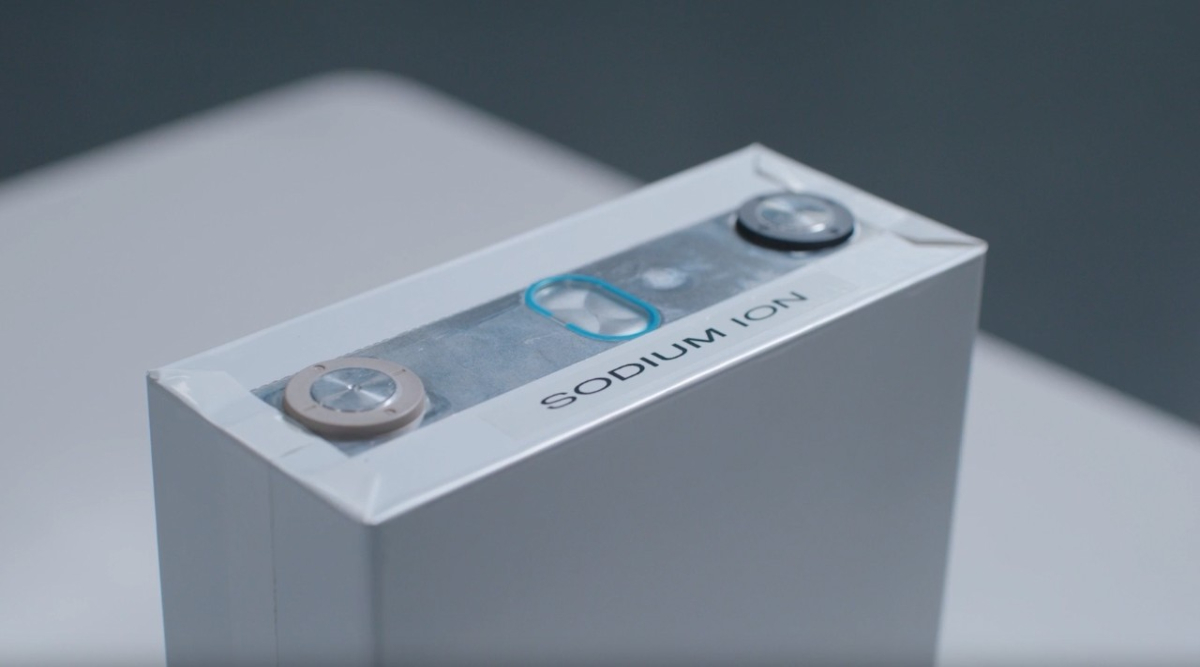
General Motors announced a partnership with Peak Energy this week to deploy sodium-ion battery technology across energy storage facilities. The move reflects a strategic shift in battery chemistry for stationary power applications.
Sodium-ion batteries offer distinct advantages over lithium-ion systems for grid storage. They use abundant sodium instead of lithium, cobalt, and nickel, reducing supply chain vulnerability and raw material costs. The technology operates effectively at scale without competing for resources needed for electric vehicle production. Sodium-ion cells tolerate deep discharges and thermal stress better than lithium alternatives, extending cycle life in demanding storage environments.
GM's investment targets the stationary storage market, where vehicle-grade lithium-ion batteries face cost pressures and resource constraints. Energy storage facilities require thousands of kilowatt-hours of capacity to support grid stability, renewable integration, and load shifting. Sodium-ion chemistry addresses these needs at lower material costs, making multi-hour duration storage economically viable for utilities and commercial operators.
The partnership with Peak Energy positions GM to scale manufacturing and integrate sodium-ion systems into existing storage infrastructure. Peak Energy develops energy storage solutions for microgrids and industrial applications, providing market access for GM's battery technology. This collaboration avoids direct competition with EV battery makers while capturing value in the faster-growing stationary storage sector.
Industry analysts project that global energy storage capacity will triple by 2030, driven by renewable electricity growth and grid modernization requirements. Sodium-ion technology addresses this expansion without straining lithium supplies. Several battery manufacturers including CATL, Reliance Industries, and Natron Energy have already commercialized sodium-ion systems, but GM's automotive scale and supply chain expertise bring manufacturing discipline to the category.
The shift reflects broader recognition that EV and stationary storage applications require different battery architectures. While vehicles demand high energy density and fast charging, grid storage prioritizes cycle life, thermal stability