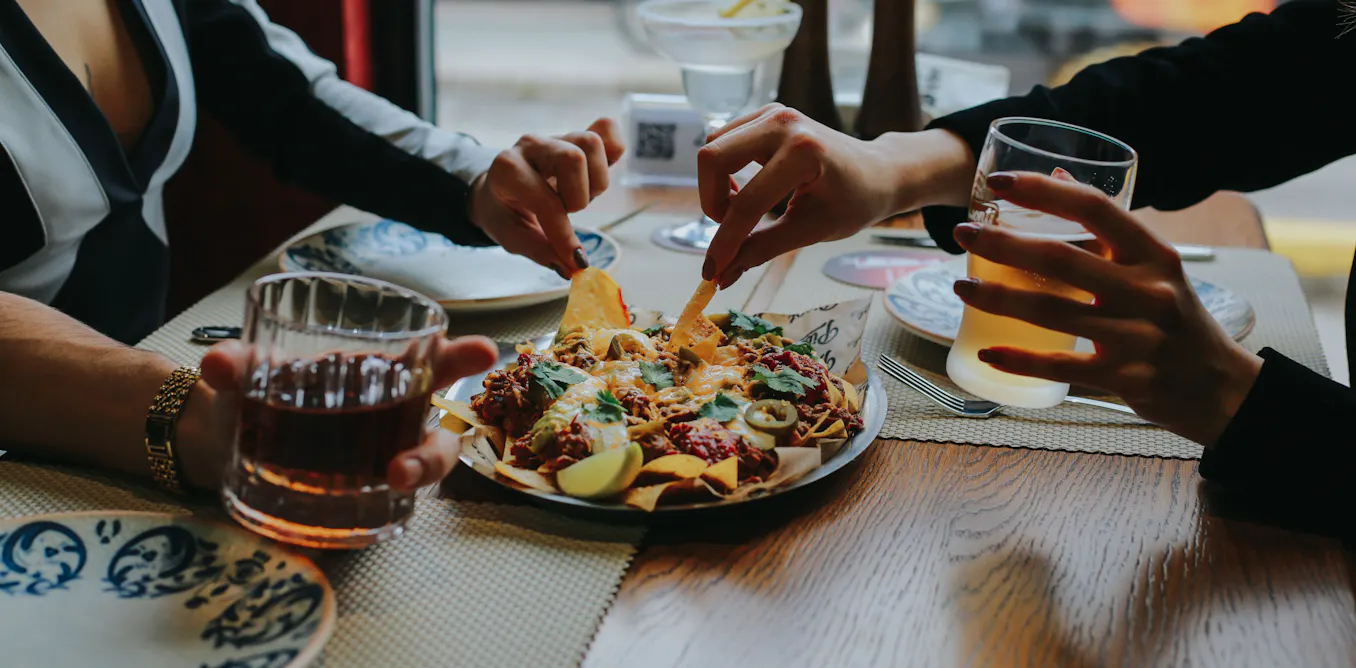
Researchers have identified why alcohol consumption triggers cravings for salty, protein-rich snacks like chips and nachos. The mechanism involves direct stimulation of hunger signals in the brain, according to recent neuroscience findings.
A study published in Nature Communications examined how alcohol affects the hypothalamus, the brain region controlling appetite. Scientists discovered that alcohol activates AgRP neurons, which send hunger signals. This activation persists even when the body has adequate energy stores, overriding normal satiety signals.
The research team used genetically modified mice to isolate alcohol's effects. When they blocked AgRP neuron activity, mice exposed to alcohol no longer exhibited increased feeding behavior. This demonstrates that alcohol's hunger-stimulating properties operate through a specific neural pathway.
The craving doesn't simply target any food. Alcohol preferentially triggers appetite for protein-containing foods. Researchers observed that intoxicated animals consumed significantly more protein-rich options compared to carbohydrate or fat sources. This preference persisted even when protein was presented alongside other macronutrients.
The finding explains a common social observation. People drinking alcohol at bars and parties consistently reach for protein-heavy snacks. Chips, nuts, and cheese platters accompany alcohol consumption across cultures, likely because they satisfy the protein-specific hunger that alcohol induces.
This hunger signal proves stubborn. Unlike normal appetite, which diminishes after eating, the alcohol-induced drive for protein persists. Consuming protein-rich snacks provides temporary satisfaction, but the underlying neural signal continues firing as long as alcohol remains in the system.
The implications extend beyond bar behavior. The research suggests that alcohol consumption may contribute to overeating and caloric excess, particularly among regular drinkers. The combination of increased caloric intake from alcohol itself plus protein-rich snacking creates a pathway toward weight gain.
The findings also raise questions about alcohol marketing and snack