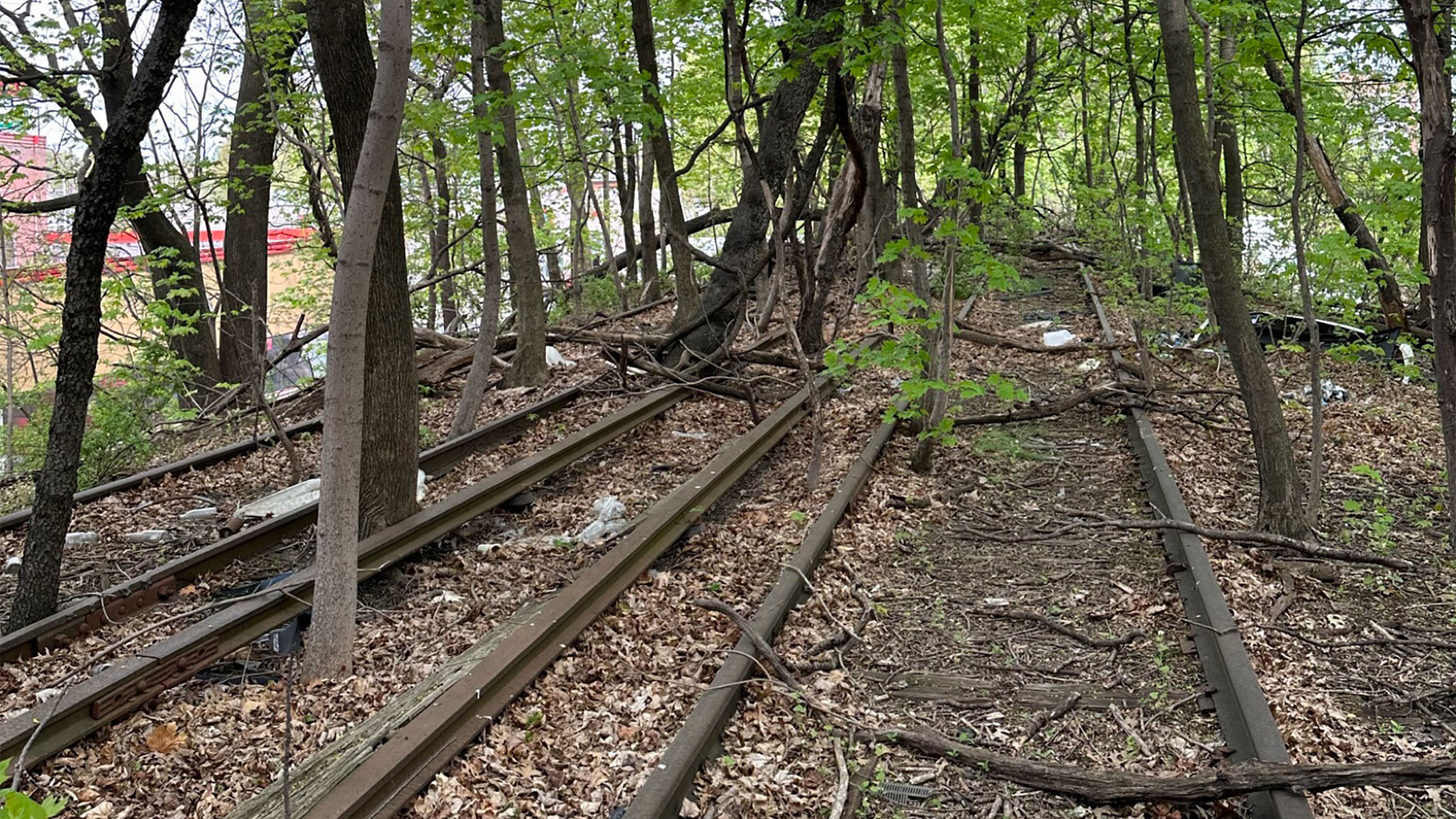
An abandoned railroad corridor in Queens has become the flashpoint for a broader national dispute over how cities should repurpose unused rail infrastructure.
The stretch of track, which has sat dormant for years, has drawn competing visions from New York residents and advocates. Some push for conversion into parkland, citing successful models like the High Line in Manhattan, which transformed an elevated freight rail into a public green space. Others argue the city should preserve rail capacity for future transit expansion, particularly as transportation agencies grapple with aging infrastructure and growing demand for mass transit alternatives to car travel.
This tension reflects a pattern emerging across the United States. Cities from Philadelphia to Los Angeles face similar questions about defunct rail lines. Advocates for rail preservation warn that converting tracks to parks removes corridors that could serve future transit needs. They point to demographic growth and climate goals that require reducing car dependency. Transit-focused planners note that rail corridors offer the most direct pathways for new train and bus rapid transit lines, with right-of-way already established and environmental review partly completed.
Park advocates counter that abandoned rail lines provide rare opportunities for green infrastructure in dense urban areas. They emphasize immediate community benefits. public health gains from accessible greenspace, and the difficulty of creating parks in space-constrained cities.
The Queens case highlights how land-use decisions carry long-term consequences. Once a rail corridor becomes a park, reversing that decision to restore transit capacity becomes politically and logistically difficult. Conversely, preserving unused track indefinitely consumes valuable urban land while delivering no current benefit.
Environmental and transportation planners increasingly suggest hybrid approaches. Some cities pursue designs that incorporate park amenities while maintaining dormant rail beds for potential future activation. Others phase conversion, creating temporary parks with removable infrastructure.
The Queens debate underscores a fundamental challenge for cities pursuing climate and equity goals. Dense urban areas need both green space and robust transit to reduce emissions and improve