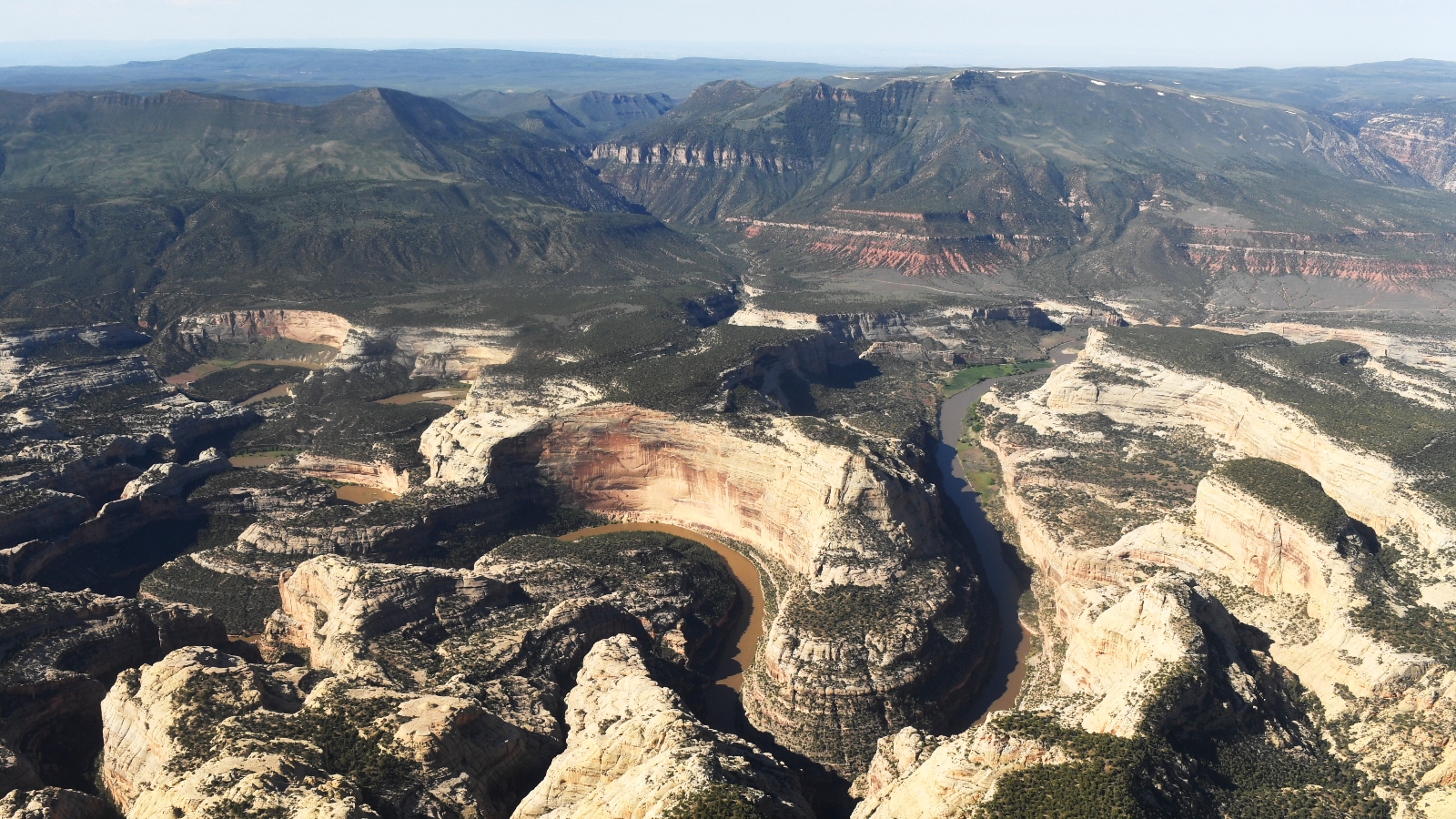
The Department of Interior plans to auction off tens of thousands of acres across Colorado's public lands for oil and gas drilling. The sale represents the largest public land lease offering in the state in recent decades and threatens to fragment critical wildlife habitat while expanding fossil fuel extraction on federal property.
The acreage targeted includes areas near sensitive ecosystems and wildlife corridors used by endangered species and migratory animals. Conservation groups argue the leases will fragment landscapes that currently support intact habitats for species already threatened by climate change and habitat loss. The drilling would also disrupt outdoor recreation economies that generate billions annually for Colorado communities.
Federal law requires the Interior Department to offer parcels for lease if they meet certain criteria, though the agency retains discretion over which tracts to include. Climate advocates and environmental organizations have pushed back against the sale timing, noting it contradicts stated commitments to reduce emissions and protect public lands.
The Colorado leases represent part of a broader pattern of oil and gas development on federally managed lands. The federal government manages roughly 245 million acres of public land nationwide. Oil and gas leases on those lands generated over $2 billion in revenue in fiscal year 2022, but critics contend the royalty rates paid by companies undervalue both the resource and environmental costs.
Local economies dependent on extraction have lobbied heavily for lease sales, citing job creation and tax revenue. However, analysis from the University of Colorado shows renewable energy development creates more jobs per dollar invested than fossil fuel extraction.
The Interior Department has not yet released the official acreage or lease terms. Environmental organizations say they plan to challenge the sale through public comment periods and legal action if necessary. Colorado's outdoor recreation sector employs over 74,000 people and generates $62 billion annually for the state economy.