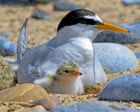
Little terns nesting on Lindisfarne National Nature Reserve in Northumberland are recovering thanks to targeted protection measures, including seasonal wardens and fenced nesting areas that shield ground-nesting birds from beachgoers.
The reserve manages one of the UK's largest little tern colonies. Each spring, the birds return to Ross Sands to breed in scrapes—shallow pits dug into sand where eggs incubate. Tourism and foot traffic historically destroyed nests, decimating populations. Andrew Craggs, senior manager at Lindisfarne, oversees conservation efforts that have reversed this decline.
Staff implement seasonal wardens during breeding season who monitor nests and educate visitors about disturbance risks. Netted fences cordon off nesting areas, preventing accidental trampling while allowing birds to access feeding grounds. The reserve marks territories and posts signage explaining that little terns perform diversionary displays—running across beaches to lure humans away from eggs—when threatened.
Little terns face multiple pressures. Climate change alters coastal conditions and food availability. Invasive predators and rising sea levels threaten nesting habitat. The species declined sharply across Europe before protection efforts began. UK populations now number around 1,500 pairs, with Lindisfarne hosting a substantial breeding population that contributes to national recovery.
The reserve's approach balances recreation with conservation. Visitors can observe nesting areas from designated viewing points without disturbing birds. This model demonstrates that managed access preserves both ecological function and public engagement with nature.
Lindisfarne's success reflects broader EU and UK protection frameworks. European Union Birds Directive classifications and UK Wildlife and Countryside Act protections establish legal frameworks for little tern conservation. National nature reserves implement site-specific management plans addressing local threats.
The strategy addresses fundamental tension between coastal tourism and wildlife breeding. As visitor numbers increase at UK beaches