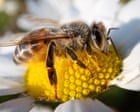
Commercial beekeepers lost more than 60 percent of their colonies last winter, marking the worst losses on record. The USDA traced recent colony collapses to viruses spread by miticide-resistant parasitic mites, but the underlying cause runs deeper than individual pest management failures.
Industrial agriculture bears primary responsibility for the pollinator crisis. Monoculture farming systems eliminate the diverse flowering plants bees need for nutrition. Large-scale operations spray neonicotinoid pesticides and other chemicals that impair bee navigation, reproduction, and immune function. The combination of nutritional stress and chemical exposure creates conditions where parasites like varroa mites flourish unchecked.
The economic stakes extend far beyond honey production. Pollinators deliver roughly $15 billion in annual crop pollination services across the United States. Almonds, apples, blueberries, and dozens of other crops depend on healthy bee populations. Food prices rise as pollination services collapse. Farmers face reduced yields. Nutritional diversity in food systems contracts.
The structural problem resides in how agriculture prioritizes commodity crops over ecosystem health. Corn and soybean monocultures dominate American farmland, leaving bees with few forage options outside brief bloom periods. When flowering diversity vanishes, bee colonies weaken nutritionally, then succumb to parasites and disease.
Solutions require systemic changes, not individual beekeeping improvements. Farmers must plant diverse cover crops and native flowering plants. Regulatory agencies need stricter pesticide restrictions. Agricultural subsidies should incentivize pollinator-friendly practices rather than monoculture expansion.
The pollinator crisis reflects a food system designed for short-term commodity production rather than long-term ecological stability. Addressing bee losses demands restructuring how we farm, not simply treating symptoms as they emerge. Without fundamental shifts in agricultural practice, colony losses will continue