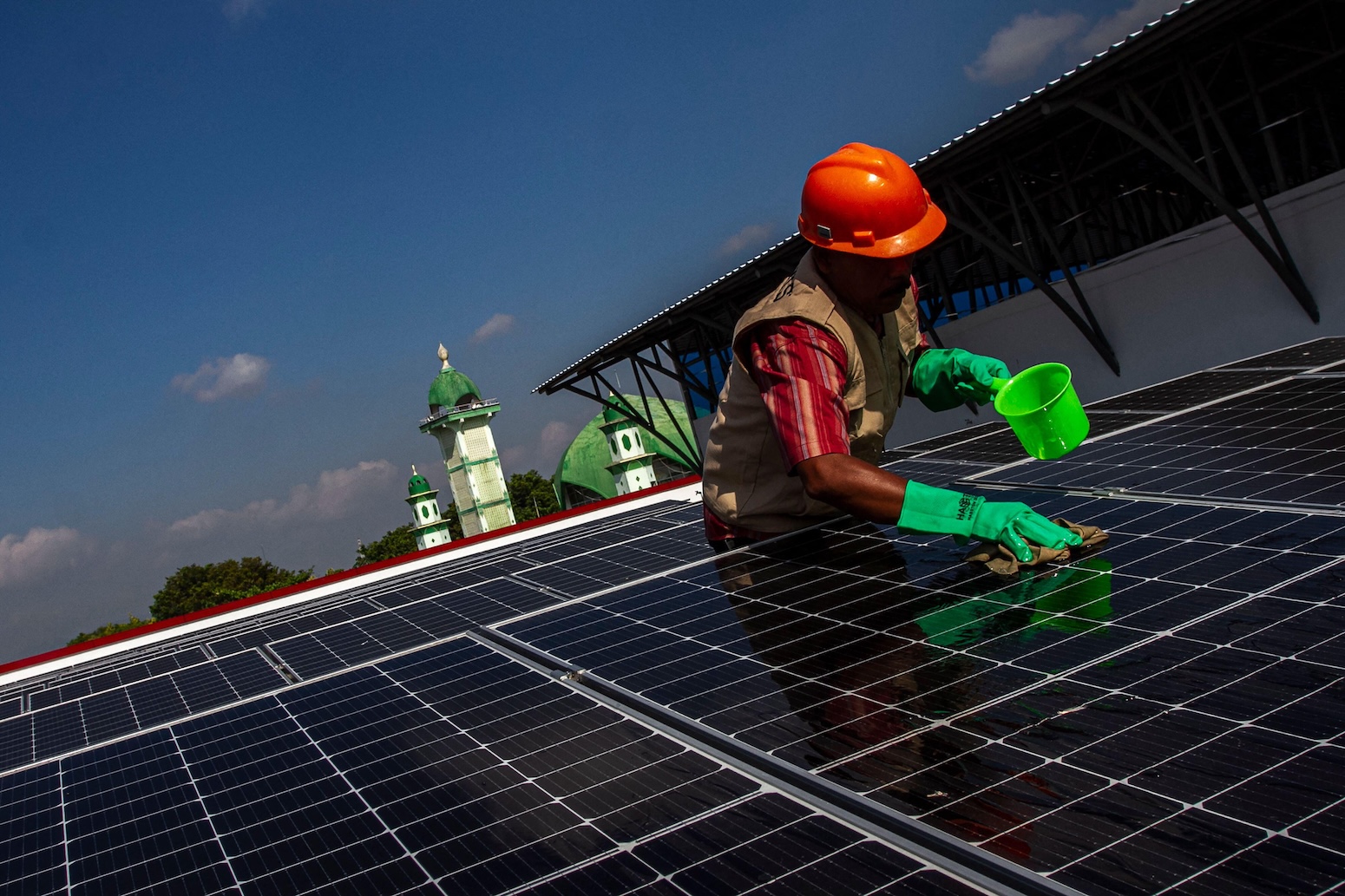
Solar power has surpassed natural gas to become Asia's third-largest electricity source, marking a historic shift in the continent's energy portfolio. The milestone reflects accelerating renewable deployment across the region, driven by falling panel costs and policy support in major markets.
Asia's solar capacity has expanded dramatically over the past decade, with China leading installation growth. India, Vietnam, Japan, and Southeast Asian nations have also scaled solar infrastructure significantly. The overtaking of gas power, historically a bridge fuel during energy transitions, signals that renewables now compete directly with fossil fuels on capacity basis across Asia's 60-plus nations.
The ranking places solar behind hydropower and coal in Asia's electricity mix. Hydropower dominates in countries like Norway and Canada but competes for water resources with agriculture and municipalities. Coal remains the largest source regionally, though its share continues declining as solar and wind capacity multiply.
This transition carries emission implications. Fossil fuel-fired power plants, particularly coal facilities, generate the bulk of Asia's electricity sector emissions. Replacing gas generation with solar reduces carbon output while improving air quality in densely populated regions where coal and gas combustion concentrate pollution.
However, the analysis reveals uneven progress. While China and India lead in absolute solar capacity additions, smaller nations face financing barriers and grid infrastructure challenges. Energy storage deployment lags far behind generation capacity, creating intermittency pressures during nighttime hours and monsoon seasons.
The shift also reshapes regional markets. Gas import dependence may decline in some countries, reducing vulnerability to price volatility and supply disruptions. Liquefied natural gas infrastructure investments in Bangladesh, Pakistan, and Vietnam may face longer payback periods if solar deployment accelerates further.
Analysts note that solar's third-place ranking remains fragile. Older coal plants retiring slowly could maintain coal dominance longer than expected. Grid modernization, battery storage expansion, and continued policy commitment to renewable targets will