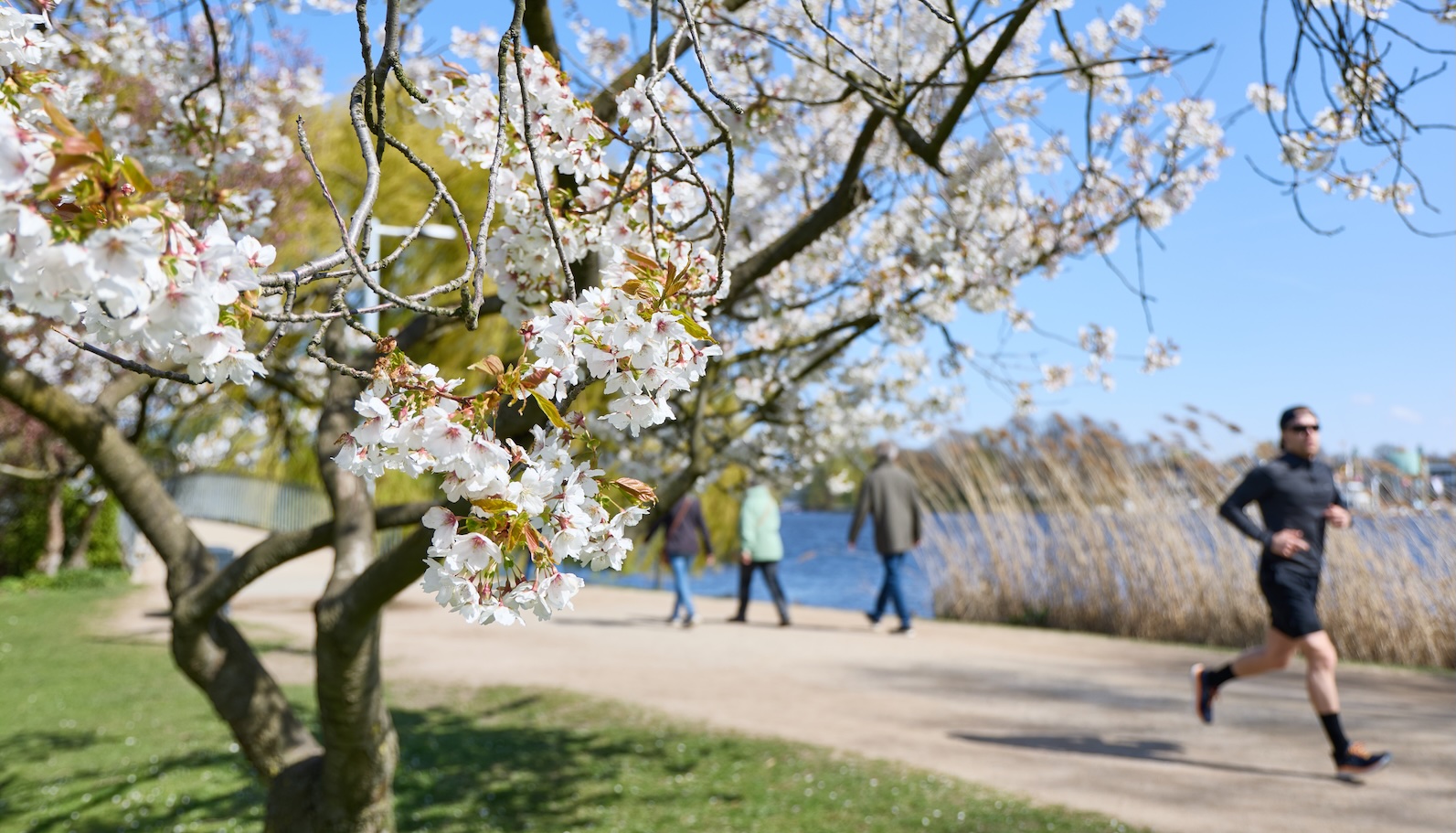
Urban parks generate substantial economic returns for cities, with new research showing that each dollar invested yields three dollars in measurable benefits. The analysis examined how green spaces drive revenue through multiple channels, including property value increases, tourism spending, and reduced public health costs.
Parks boost adjacent real estate markets significantly. Properties within walking distance of quality green space command higher prices, expanding municipal tax bases. A home near a well-maintained park sells for more than an identical property blocks away, a pattern researchers documented across multiple cities.
The health benefits translate directly to fiscal gains. Parks reduce healthcare expenditures by increasing physical activity and mental wellness among residents. Lower rates of obesity, depression, and stress-related illness decrease demand on public health systems. Cities spend less on treating preventable conditions when residents have accessible outdoor recreation.
Tourism spending follows green space investment. Parks attract visitors who spend money at nearby businesses, restaurants, and hotels. Some parks generate revenue through direct fees for activities like golf, boating, or concert venues. This secondary spending amplifies initial park investment returns.
The report examined parks of varying sizes and quality across numerous municipalities. Data showed that underinvested parks in low-income neighborhoods often underperform financially, suggesting that equitable park funding produces better system-wide returns. Cities that strategically distributed park investments across neighborhoods saw broader economic distribution and reduced inequality.
Labor productivity gains also factor into the calculation. Workers with access to parks take fewer sick days and report higher productivity. Businesses benefit from healthier, more engaged employees, contributing to local economic output.
Cities currently underfund park maintenance and expansion relative to these documented returns. Many municipalities treat parks as discretionary spending despite their proven economic value. Budget constraints frequently force deferred maintenance, degrading park quality and reducing their benefits.
The research provides municipal leaders with quantifiable justification for park investment. As cities face climate challenges and public health crises, parks deliver measurable returns while building resil