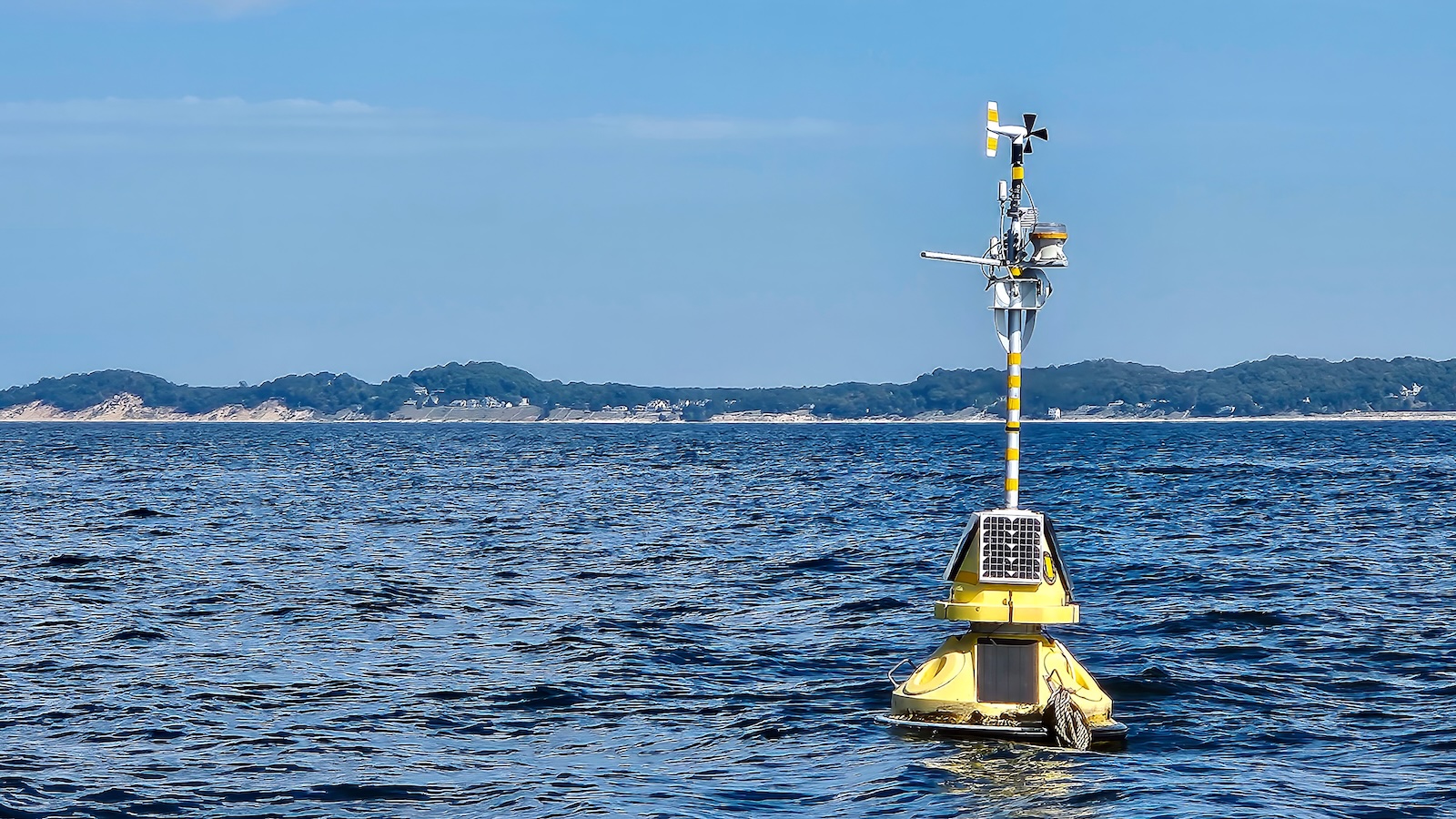
Federal budget cuts threaten NOAA-funded research on the Great Lakes, potentially compromising water safety, economic activity, and public health across one of North America's most vital freshwater systems.
NOAA researchers tracking the Great Lakes depend on federal appropriations for monitoring water quality, predicting harmful algal blooms, and forecasting dangerous weather patterns. These programs generate data that shipping operators, coastal communities, and environmental managers rely on for daily decisions.
Harmful algal blooms contaminated Lake Erie in 2014, forcing water shutdowns in Toledo, Ohio and affecting 400,000 people. NOAA scientists tracked that crisis and work to predict future events. Budget reductions would shrink the agency's capacity to monitor nutrient pollution and cyanobacteria that trigger these blooms.
The Great Lakes support a maritime economy worth billions annually. Shipping companies use NOAA forecasts and navigational data to route vessels safely and efficiently. Cut funding means less frequent weather monitoring, reduced chart updates, and delayed hazard warnings. The commercial fishing industry, which generates millions in annual revenue, also depends on environmental data NOAA provides.
Public health concerns extend beyond algal blooms. NOAA scientists study contaminants like PFOA in Great Lakes fish and track how climate change alters water temperatures and invasive species distribution. Reduced research capacity means gaps in understanding emerging threats.
State environmental agencies in Michigan, Wisconsin, Illinois, Indiana, Ohio, and Minnesota partner with NOAA on monitoring programs. Budget cuts force these states to fill gaps with limited resources or leave monitoring gaps unfilled.
The cuts reflect broader pressure on federal science budgets. NOAA's Great Lakes research division employs dozens of scientists across multiple regional offices. Layoffs or hiring freezes would disrupt ongoing studies that span years or decades, losing institutional knowledge and data continuity.
Researchers emphasize that the