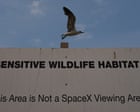
Environmental groups filed suit Wednesday to block a Trump administration land exchange that would transfer federal property to SpaceX in Texas. The groups argue the deal threatens sensitive coastal habitat.
The lawsuit targets a government-to-company land swap involving acreage near SpaceX's Starbase facility in Boca Chica, Texas. Environmental organizations claim the exchange violates the Endangered Species Act and National Environmental Policy Act by failing to adequately assess impacts on protected species and habitats.
SpaceX operates a major rocket testing and launch facility at Starbase, where the company conducts Starship development and orbital flights. The area sits in the Lower Rio Grande Valley, a region containing critical habitat for endangered ocelots, sea turtles, and shorebirds like the oystercatcher. Coastal wetlands and dunes in the vicinity support multiple threatened and endangered species.
The groups contend the Trump administration rushed the land exchange without completing required environmental reviews. They argue that transferring additional federal land to SpaceX would expand development pressure on already fragmented habitat. Increased construction, testing operations, and infrastructure could fragment migration corridors and breeding grounds.
SpaceX has expanded its Texas operations substantially since establishing Starbase. The company conducted multiple Starship test flights from the facility in recent years, with operations accelerating under the current administration's pro-business approach to space development. The company's growth plans include additional launch facilities and expanded testing grounds.
Environmental groups contend that proper environmental impact analysis remains absent. They argue the land swap bypasses standard reviews required under federal law. The lawsuit seeks to halt the transfer pending completion of full environmental assessments and consultation with wildlife agencies.
The dispute reflects broader tensions between space industry expansion and habitat conservation. Federal land swaps typically require environmental review to ensure compliance with species protection laws. The groups argue this exchange skipped those safeguards.