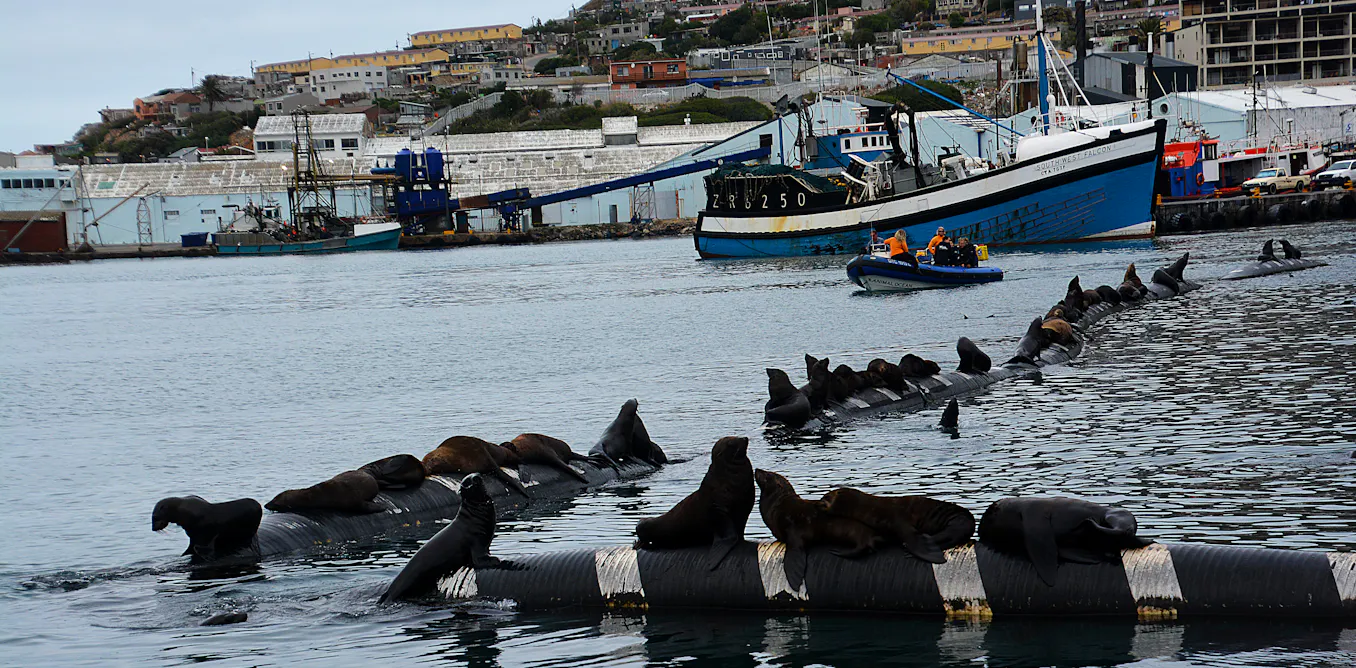
Human encounters with wildlife in South Africa are forcing conservation scientists to rethink how they protect endangered species and manage ecosystems. Cape Town's kelp forests illustrate this tension. These underwater forests support fish populations that feed both sharks and seals, which in turn attract tourists and fishing interests. When apex predators thrive, commercial fishing declines. When humans harvest seals or sharks for sport or sustenance, ecosystem balances shift.
The Cape's great white shark population has rebounded in recent decades, reducing seal colonies and altering fish distribution patterns. This recovery, while ecologically positive, triggers conflict. Local fishermen report declining catches. Beach tourism faces safety concerns. Yet culling sharks or seals destabilizes the food web further.
Trophy hunting presents another flashpoint. South Africa permits limited hunting of certain species to fund conservation programs and rural employment. Proponents argue regulated hunting generates revenue that pays for anti-poaching efforts and habitat protection. Critics counter that removing breeding males or females undermines population recovery, particularly for vulnerable species nearing extinction.
Community engagement determines conservation success in these contested spaces. Indigenous and local communities who coexist with wildlife possess ecological knowledge spanning generations. Excluding them from decision-making breeds resentment and poaching. Including them creates stewardship. Several South African reserves now distribute hunting revenues to neighboring villages and employ local rangers, reducing human-wildlife conflict through economic incentive rather than enforcement alone.
Tourism intensifies these dynamics. Visitors generate substantial income for conservation but also stress habitats through overcrowding. Protected areas near Cape Town see hundreds of daily visitors to kelp forests, disturbing seals during breeding seasons and disrupting predator-prey interactions.
Conservation frameworks must weigh multiple legitimate interests. Protecting sharks stabilizes ecosystems but threatens fishing livelihoods. Permitting hunting funds conservation but requires strict population monitoring. Promoting tourism finances protection but demands visitor limits.