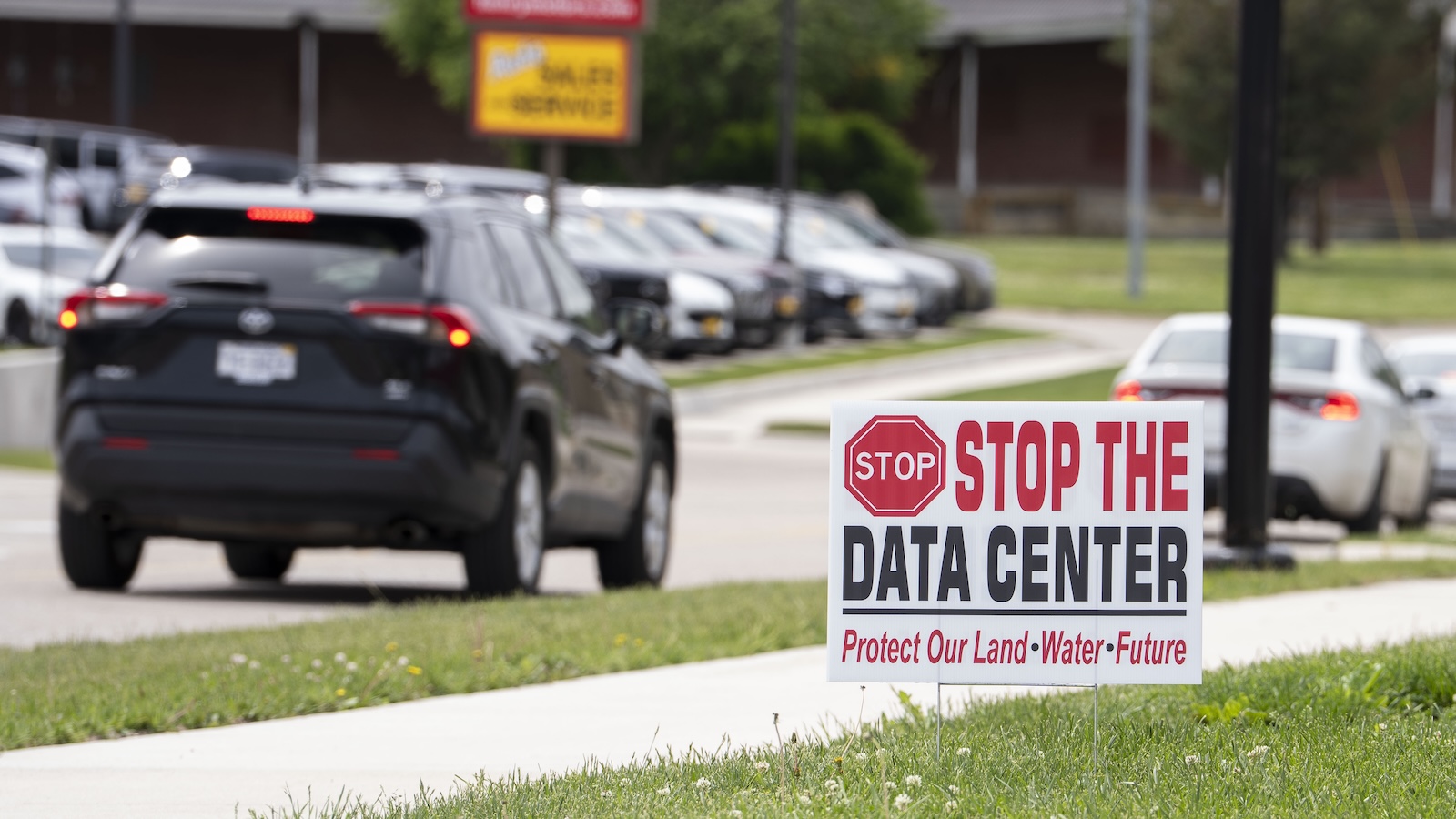
Nebraska communities are mobilizing against rapid data center expansion, deploying local ordinances and land-use restrictions to manage what officials describe as an uncontrolled development surge.
The acceleration reflects national trends. Tech companies seeking cheap power and cooling conditions have targeted the Midwest aggressively. Data centers consume enormous quantities of electricity and water. Nebraska's abundant hydroelectric capacity from the Platte and Missouri rivers, combined with relatively low land costs, has made the state an attractive target for corporate server farms.
Residents cite environmental concerns grounded in measurable impacts. Water consumption represents the primary issue. A single data center can draw millions of gallons daily for cooling systems, straining aquifers already stressed by agricultural demand. Energy demand also matters. Although Nebraska generates significant renewable power, data centers typically require dedicated grid infrastructure and fossil fuel backup systems to ensure 24/7 operation.
Communities including Lincoln and Omaha have begun implementing zoning restrictions. Some municipalities now require environmental impact assessments before approving new facilities. Others have enacted conditional use permits that allow local officials to impose density limits or water-conservation requirements.
The Nebraska Public Power District and other utility providers have expressed concern about grid capacity. Rapid data center growth could force substantial infrastructure investments that ratepayers would finance through higher electricity bills.
State officials have not adopted statewide restrictions, leaving decisions to counties and municipalities. This patchwork approach creates inconsistent policy across Nebraska's 93 counties. Tech companies can relocate projects to less restrictive jurisdictions, effectively shopping for favorable regulatory environments.
Advocates for data center development emphasize job creation and property tax revenue. Proponents claim facilities require minimal ongoing employment beyond initial construction phases, contradicting assertions of substantial local economic benefit.
The tension reflects a broader policy gap. Nebraska, like most states, lacks comprehensive data center regulation balancing economic development against environmental and infrastructure costs. As facilities multiply, the need for