# Summary
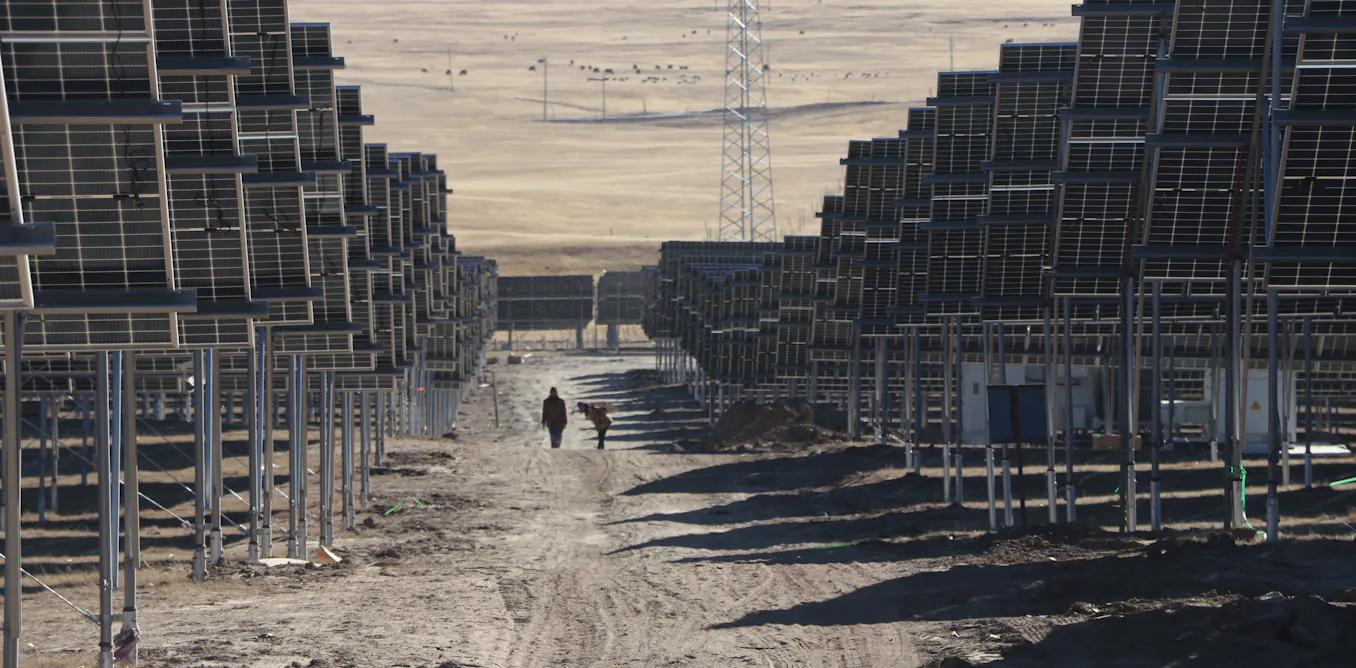
China's renewable energy expansion on the Tibetan Plateau is reshaping the lives of pastoral communities across the high-altitude region. The government has prioritized large-scale solar and wind farm development as part of its climate commitments and energy security goals, but implementation has disrupted traditional grazing practices and land access for herders who have inhabited these areas for centuries.
The Tibetan Plateau covers approximately 2.5 million square kilometers and holds enormous potential for renewable generation due to its high elevation, strong winds, and consistent solar radiation. Beijing has designated the region as a strategic site for meeting national decarbonization targets and supplying electricity to eastern provinces with growing energy demands.
However, the development model has created tension with local populations. Pastoral communities report restricted access to traditional grazing lands as renewable facilities expand. Herders face economic pressure as land conversion reduces pasture availability, forcing lifestyle changes and threatening cultural continuity. In some areas, communities report inadequate compensation or consultation before project construction begins.
The Tibetan Plateau's renewable capacity matters for global climate goals. Solar and wind generation from the region can displace fossil fuel electricity across China, reducing national carbon emissions. Yet the tradeoff between climate benefits and local livelihood protection remains unresolved in many locations.
Local governance structures have limited influence over decisions made by national energy corporations and state planners. Community input mechanisms exist on paper but often lack enforcement power. Some villages have negotiated benefit-sharing agreements or employment opportunities tied to renewable projects, though outcomes vary widely.
Balancing renewable energy development with indigenous pastoral systems requires integrating local knowledge into planning, ensuring meaningful community consent, and designing compensation structures that account for both economic and cultural losses. The Tibetan Plateau case demonstrates how climate solutions can generate local costs if implementation ignores the people living in transition zones.