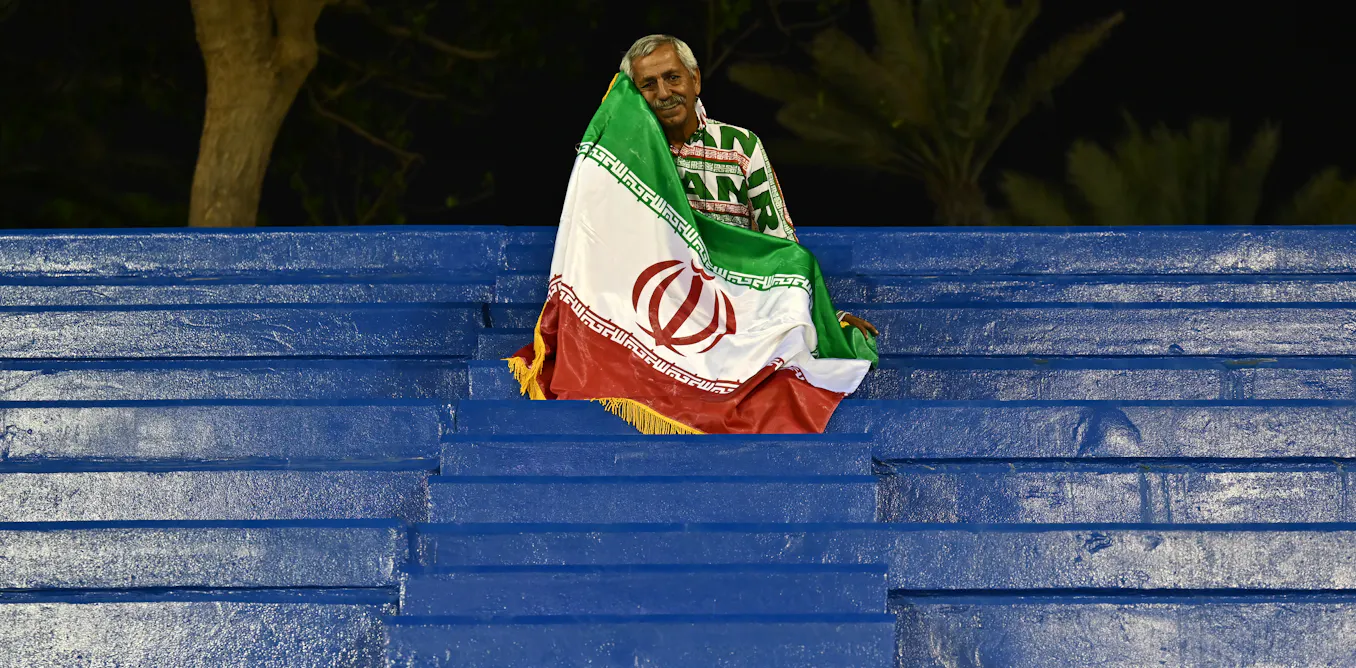
Iran's World Cup participation has created a dilemma for the Iranian diaspora, forcing supporters to choose between national pride and political protest.
The U.S. government has opposed Iran's involvement in the tournament, reflecting broader geopolitical tensions between Washington and Tehran. This official stance compounds internal divisions within diaspora communities, where some members view the World Cup as a platform to amplify calls for political change in Iran.
The Iranian national team enters the competition amid heightened scrutiny following months of civil unrest and government crackdowns. The deaths of protesters during demonstrations against the government have intensified calls from diaspora activists to boycott or otherwise distance themselves from the team.
However, other diaspora members argue the World Cup represents a rare moment of unified national identity that transcends political divisions. They contend that sports should remain separate from geopolitical disputes, at least temporarily. This faction hopes the tournament offers a brief respite from the political polarization that has fractured diaspora communities.
The tension reflects a broader challenge facing diaspora populations worldwide. Members must navigate competing loyalties to homeland governments, adopted countries, and their own moral convictions. For some Iranian expatriates, supporting the team feels like tacit endorsement of a government they oppose. For others, abandoning the team means abandoning fellow citizens.
The World Cup decision becomes personal for diaspora members who maintain family connections inside Iran. Supporting or condemning the national team affects relationships with relatives living under the government in question.
International sporting events historically have struggled to remain apolitical. Iran's World Cup participation demonstrates how deeply embedded geopolitical conflicts have become in global sports. The diaspora's fractured response reflects the impossibility of separating sports from politics when fundamental questions about government legitimacy remain unresolved.