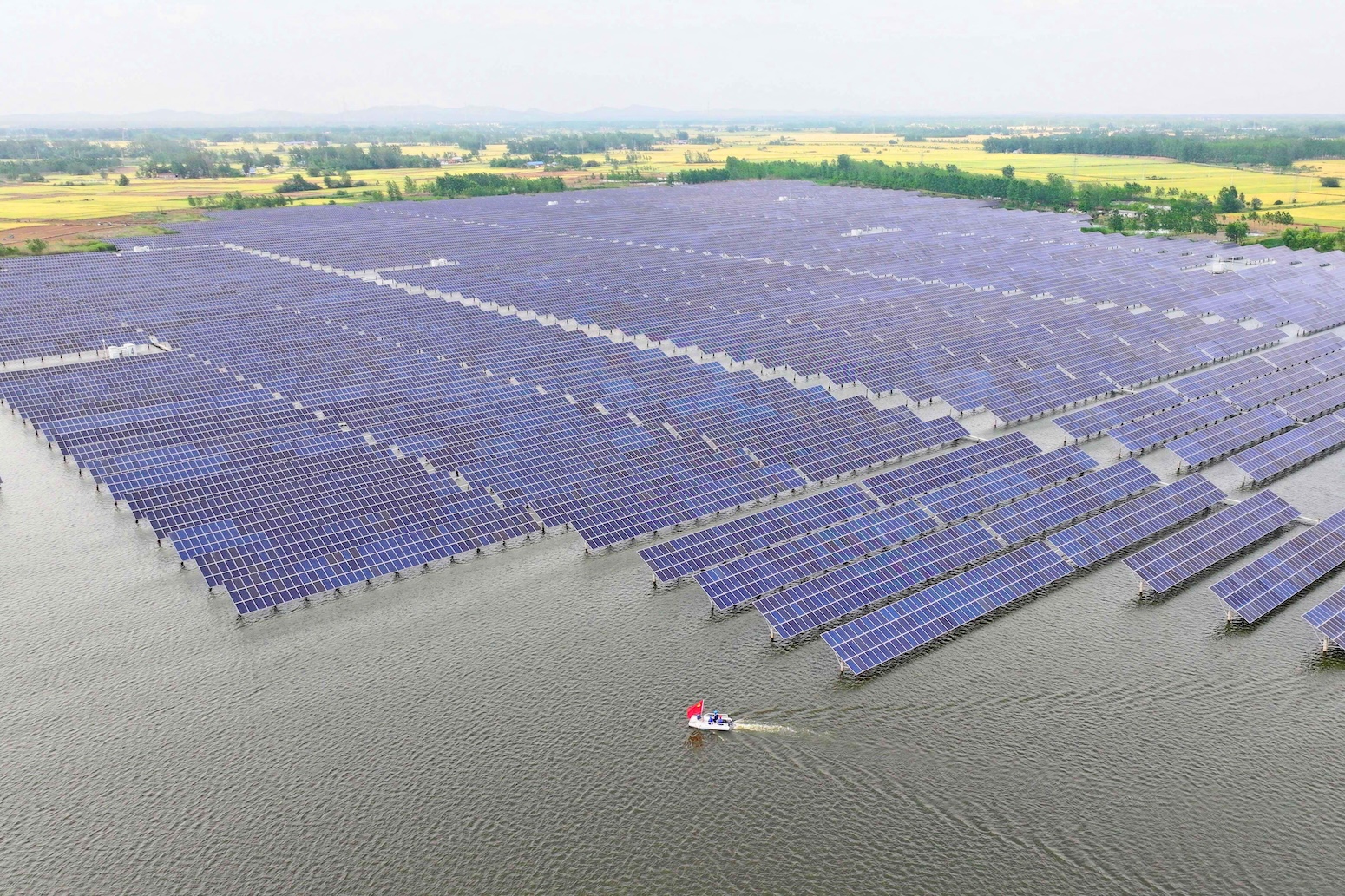
China's solar expansion, which drove global renewable energy growth for over a decade, is losing momentum. The world's largest solar market added 217 gigawatts of capacity in 2023, a 41 percent increase from 2022. Yet this growth trajectory masks a fundamental deceleration in installations that analysts attribute to grid constraints, subsidy reductions, and market saturation in major provinces.
The slowdown reflects structural barriers rather than waning demand. China's eastern and central regions, where population density and electricity consumption concentrate, face grid integration bottlenecks. Transmission infrastructure cannot absorb solar generation at the rate installations proceed. Western provinces have grid capacity, but distance from demand centers makes export economically unfavorable without new long-distance transmission lines.
Government subsidies, which initially catalyzed the sector, have steadily declined. By 2022, China ended direct subsidies for grid-connected solar projects entirely, shifting support to wind-solar hybrid installations and energy storage. This policy shift reduced incentives for standalone solar farms, particularly in less profitable regions.
Market saturation in Guangdong, Yunnan, and other leading provinces has compressed profit margins. Manufacturers face overcapacity as panel production outpaces demand growth. Supply-side competition has driven down equipment costs but compressed returns for developers.
China remains the global leader in solar deployment, accounting for roughly 60 percent of worldwide capacity additions. Even at slowed rates, the country adds more solar capacity annually than the entire installed base of any other nation. However, analysts project the growth rate will stabilize around 30 to 35 percent annually rather than exceed 40 percent as in recent years.
Experts note China must upgrade grid infrastructure, particularly east-west transmission networks, to unlock the next phase of expansion. Energy storage investments could also ease integration challenges by smoothing solar's intermittency. Without such measures