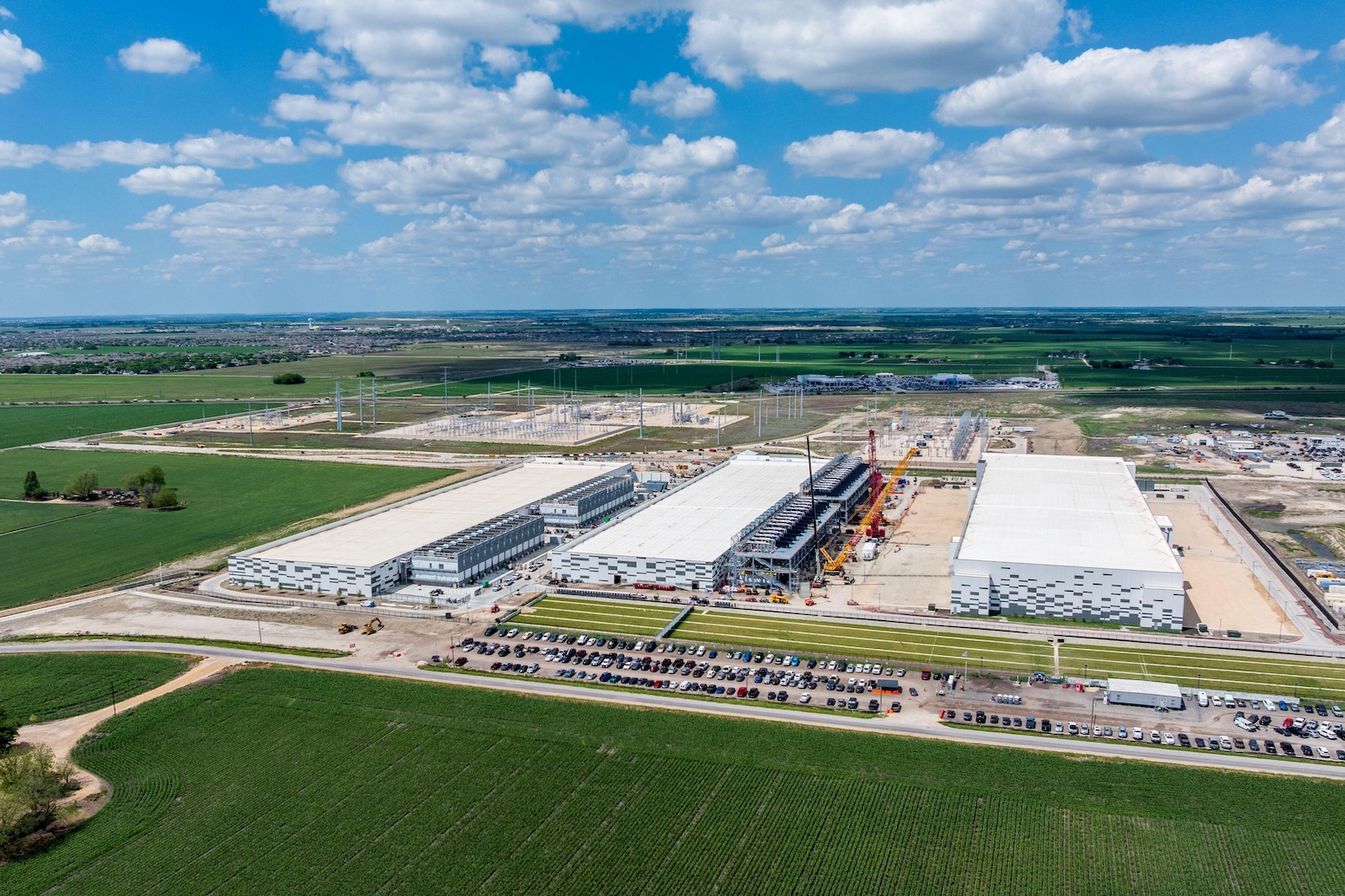
The artificial intelligence boom is driving a reversal in fossil fuel investment patterns between the US and China. Data centers powering AI operations consume enormous amounts of electricity, prompting American tech companies and utilities to invest heavily in new natural gas generation capacity to meet surging power demands.
According to Carbon Brief's analysis, the US is now committing more capital to fossil fuel power infrastructure than China for the first time in years. This shift reflects the computational demands of large language models and other AI systems, which require constant, reliable electricity supplies that renewable energy sources currently cannot fully provide at scale.
Tech giants including Microsoft, Google, and Amazon have signed long-term power purchase agreements with natural gas plants to ensure stable energy access for their data center operations. This represents a significant divergence from the clean energy trajectory both countries had been tracking. China's energy investments have shifted toward renewables, while US investment in gas infrastructure accelerates.
The trend carries substantial climate implications. Natural gas emits roughly half the carbon dioxide of coal per unit of energy but remains a fossil fuel that locks in decades of greenhouse gas emissions. These infrastructure investments typically operate for 30 to 40 years, potentially prolonging fossil fuel dependence well into mid-century, even as renewable deployment accelerates elsewhere in the grid.
Some energy analysts argue this is a necessary interim step given current battery storage limitations and AI's non-negotiable power demands. Others contend it reflects inadequate planning and delayed investment in renewables and storage capacity that could have prevented this fossil fuel dependency. The US added record renewable capacity in recent years, yet demand from data centers is outpacing that expansion.
This dynamic exposes a tension within decarbonization efforts. The technology sector driving electrification through AI applications simultaneously creates new fossil fuel demand. Resolution requires simultaneous advancement of renewable deployment, grid modernization, and storage technology to manage intermittency, alongside potential efficiency improvements in AI model training and operation