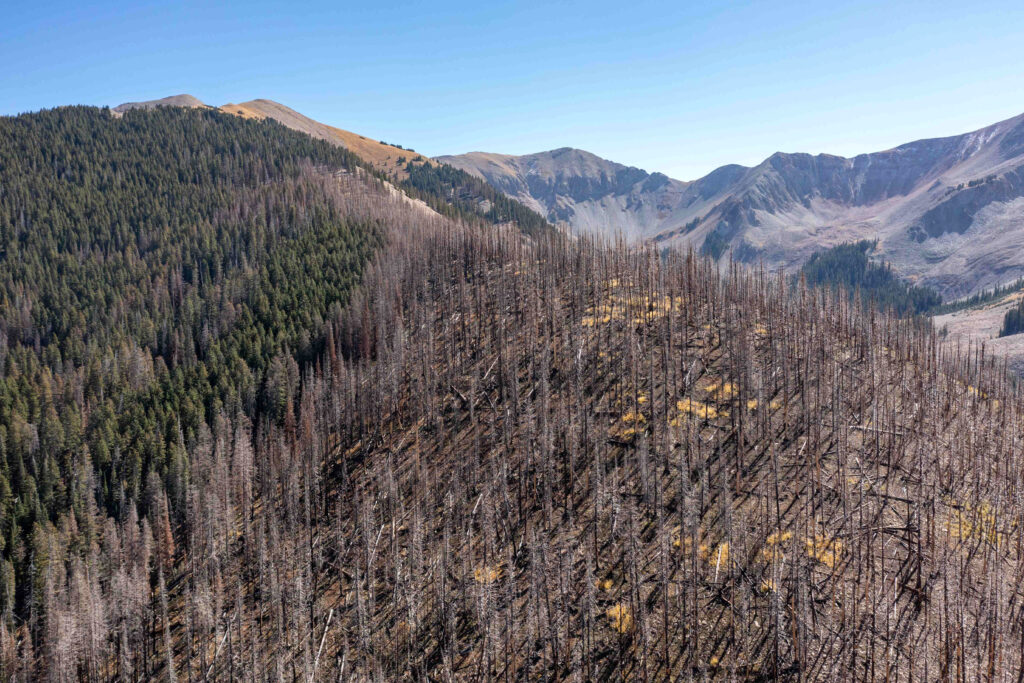
Dead organisms drive ecological processes across all environments, operating as a fundamental engine of ecosystem function rather than merely decomposing in place.
A new paper documents how carrion, fallen trees, and other organic matter shape living communities in ways far beyond simple nutrient cycling. Decomposing organisms create habitat structures that shelter insects, fungi, and predators. They release nutrients back into soil and water. They alter microbial communities that underpin entire food webs.
The research synthesizes observations from forests, wetlands, grasslands, and aquatic systems. In forests, a single fallen tree can remain productive for decades, hosting hundreds of species dependent on decaying wood. In aquatic ecosystems, whale falls on the ocean floor create oases of life around deep-sea vents, sustaining specialized organisms that exist nowhere else. Even in grasslands, dead plant matter drives soil carbon dynamics that influence plant growth and microbial activity.
This framework reframes how ecologists understand resilience and biodiversity. Ecosystems with intact deadwood and organic matter retain more species and recover faster from disturbance. Conversely, removal of dead trees in forests or corpses in scavenging ecosystems disrupts food webs and reduces ecological complexity.
The implications extend to conservation and ecosystem management. Policies that remove all dead material, historically common in forestry and agriculture, eliminate critical habitat structure. Protected areas that allow natural death processes perform better for wildlife than heavily managed ones.
Climate change amplifies the stakes. Shifting temperatures alter decomposition rates and microbial activity. Increased wildfires change how organic matter accumulates and breaks down. Understanding death's role in ecosystems becomes essential for predicting how living systems will respond to rapid environmental change.
The paper appears as ecologists increasingly recognize that traditional management practices treating dead material as waste have degraded ecosystem function. Leaving dead trees standing, allowing natural mortality, and protecting