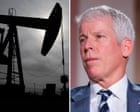
Conservative organizations are running a coordinated campaign to shape how federal judges interpret climate litigation, according to legal experts tracking the effort. The strategy targets cases brought by cities and states suing major oil companies for damages over alleged deception about climate risks.
Rightwing groups claim environmental lawyers coordinate with legal nonprofits to bias judges against fossil fuel defendants. The organizations label this judicial influence peddling unfair. However, law firms defending against these climate suits counter that fossil fuel-backed organizations are the ones actively attempting to sway the bench. They point to judicial education seminars as evidence.
One specific example involves seminars hosted by industry-aligned groups that featured Chris Wright, now US energy secretary, when he was a fracking executive. These sessions provided pro-industry perspectives directly to federal judges hearing climate cases.
The dispute reflects a broader struggle over judicial interpretation in an expanding field of climate litigation. Municipal and state plaintiffs argue fossil fuel companies knowingly concealed information about climate change while profiting from oil, gas, and coal sales. They seek billions in damages for adaptation costs and climate impacts.
The legal tug-of-war matters because federal judges will ultimately decide whether these cases proceed and on what grounds. Their understanding of climate science, corporate responsibility, and precedent shapes outcomes. Educational seminars targeting judges gain particular weight because they occur outside normal courtroom proceedings, potentially influencing judicial thinking before cases arrive.
Conservative legal organizations have invested resources in creating alternative narratives about climate science and corporate liability. This includes funding seminars, publishing judicial education materials, and organizing conferences that present pro-industry legal arguments to sitting judges.
Environmental law firms argue this constitutes a sophisticated effort to predetermine outcomes in cases still in early stages. They contend that fossil fuel interests leverage their financial resources to access judges in settings where environmental perspectives receive minimal representation.
The campaign underscores how litigation over climate damages now extends beyond courtrooms into the